Modern Fencing in 2026: Clean, Sleek, and Smart
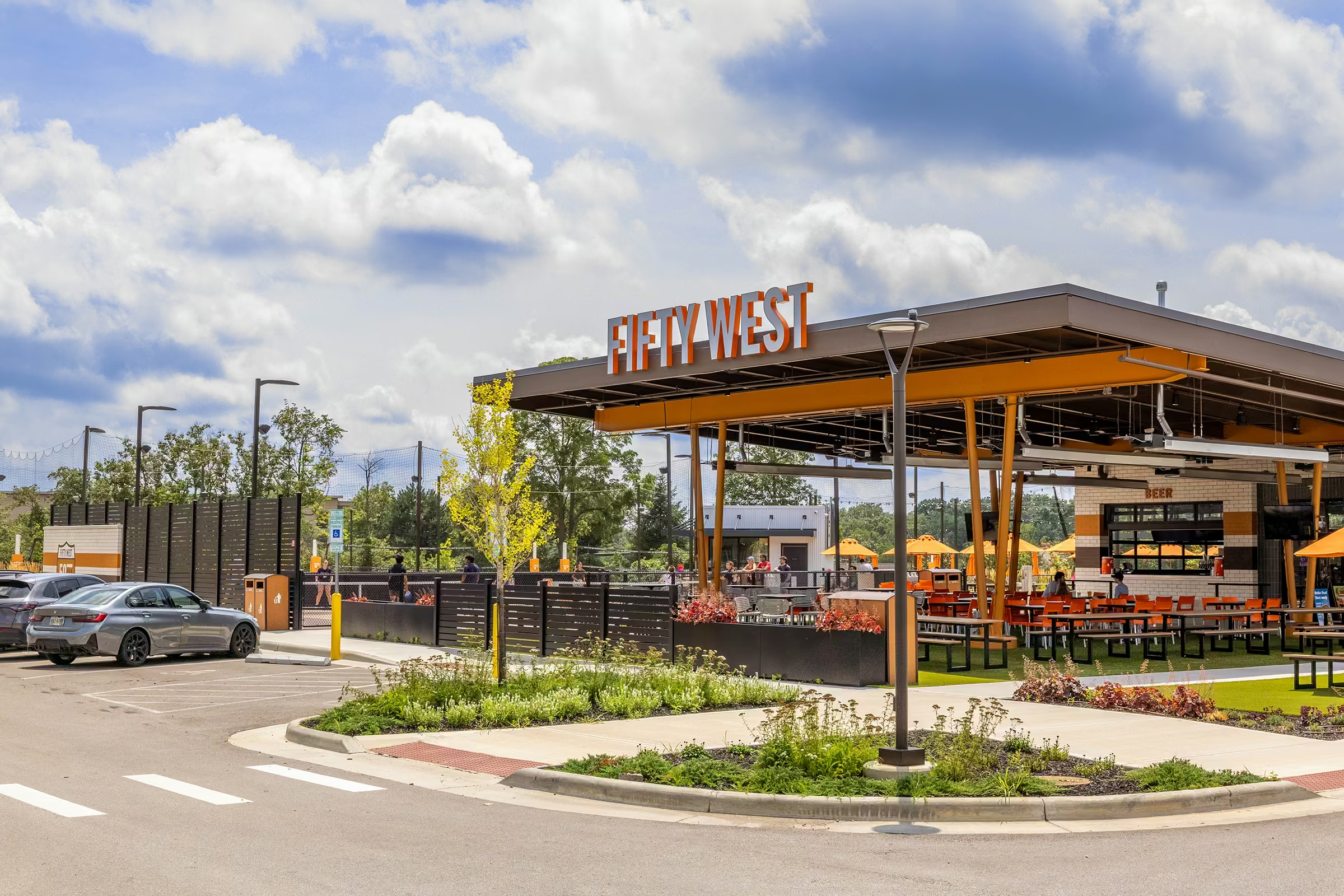
Fencing in 2026 is all about simplicity, performance, and style. Outdated wood pickets and decorative ironwork are being replaced with materials that offer long-term value and a clean, modern aesthetic. Whether it’s for a city build, commercial development, or private outdoor space, the shift is clear: modern fencing needs to look great, last longer, and require less effort.
SLEEKFENCE delivers on all fronts. With a design-forward approach and materials that stand up to heat, wind, and time, it’s setting the standard for what fencing should be.
Minimalist Style with Maximum Impact
The modern design trend is all about clean lines, neutral colors, and structures that integrate seamlessly into the space. Fencing is no exception. The goal is to create a cohesive scene, and your fence—being the piece that defines the very boundaries of that scene—plays a crucial role.
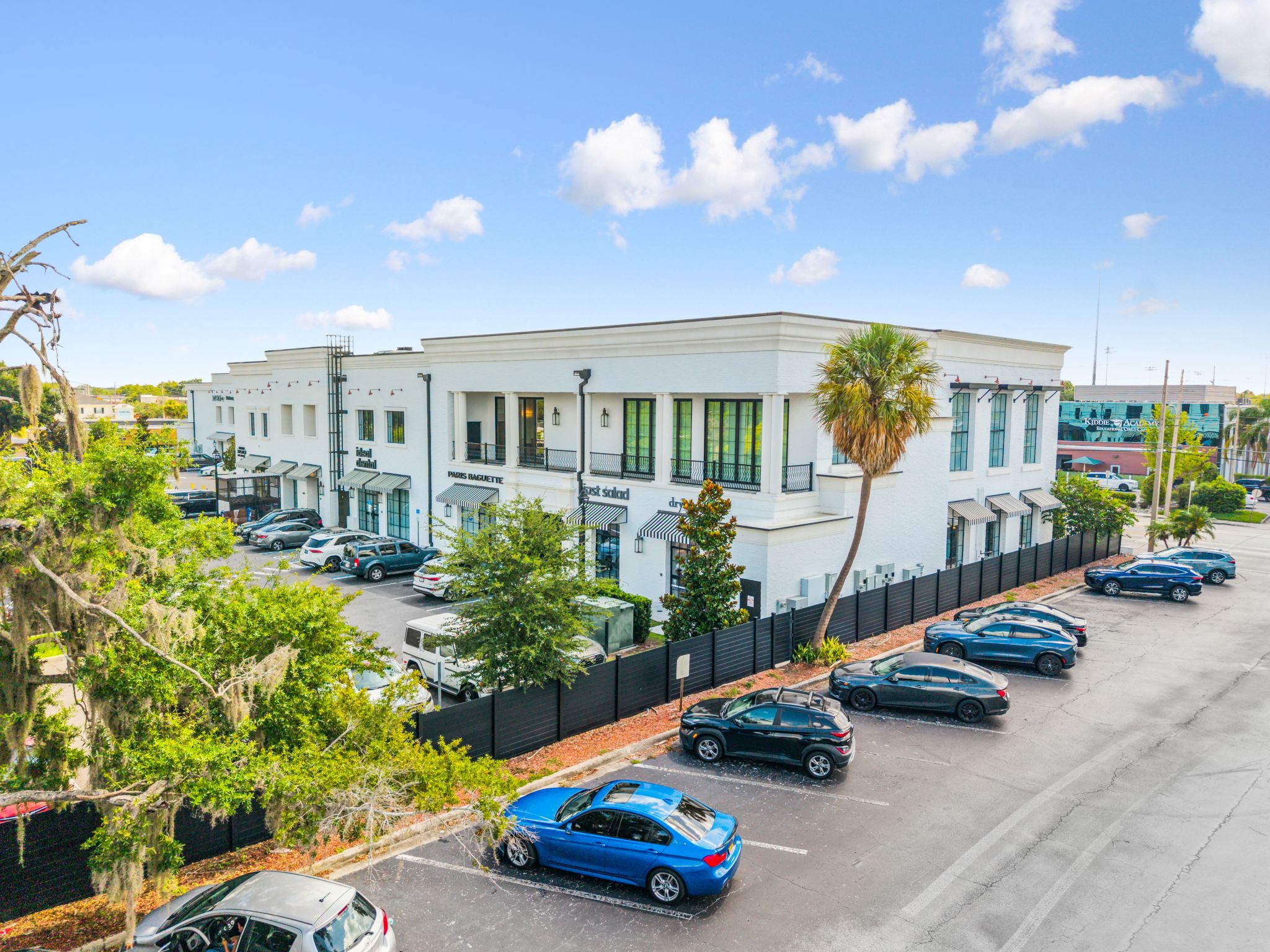
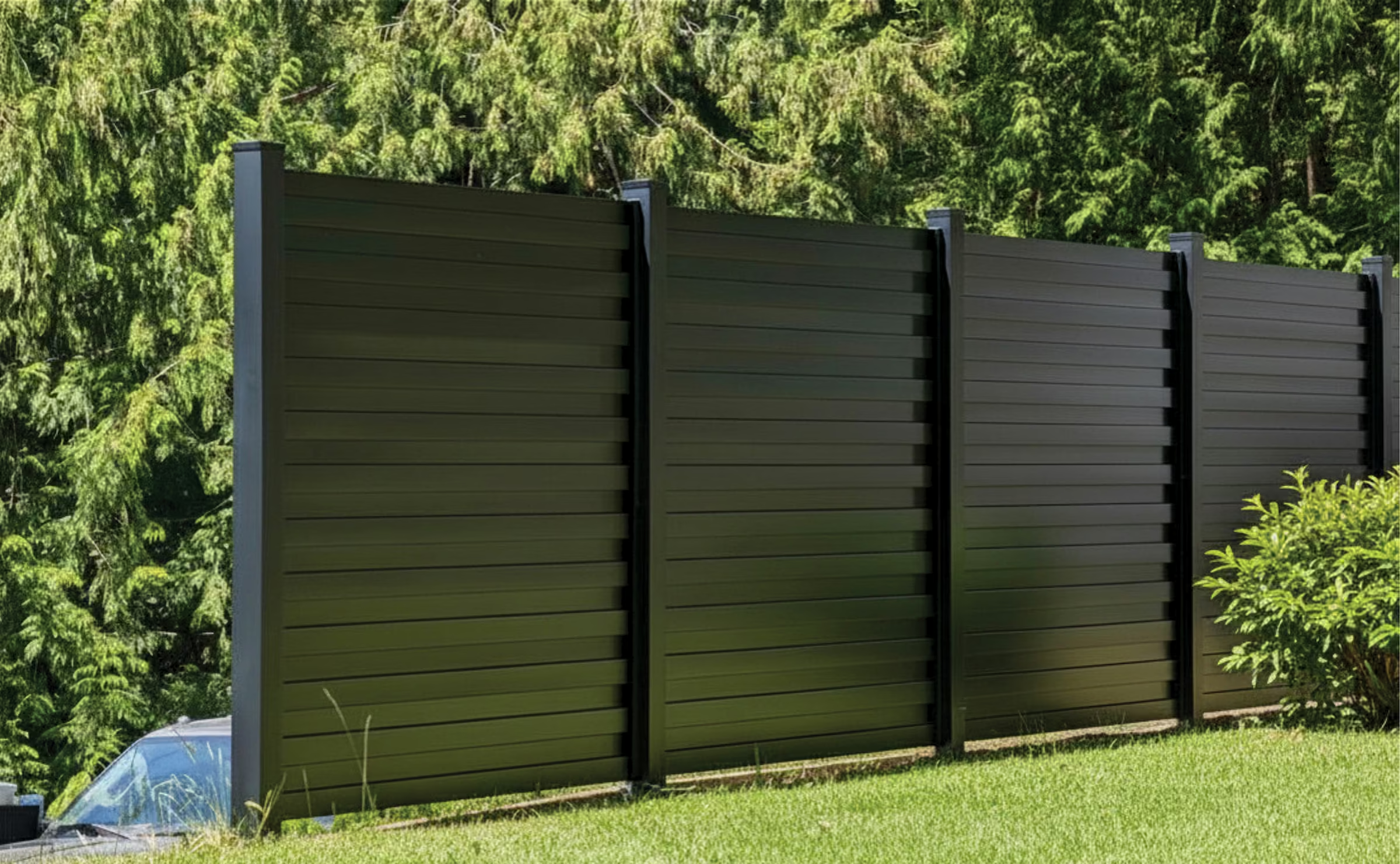
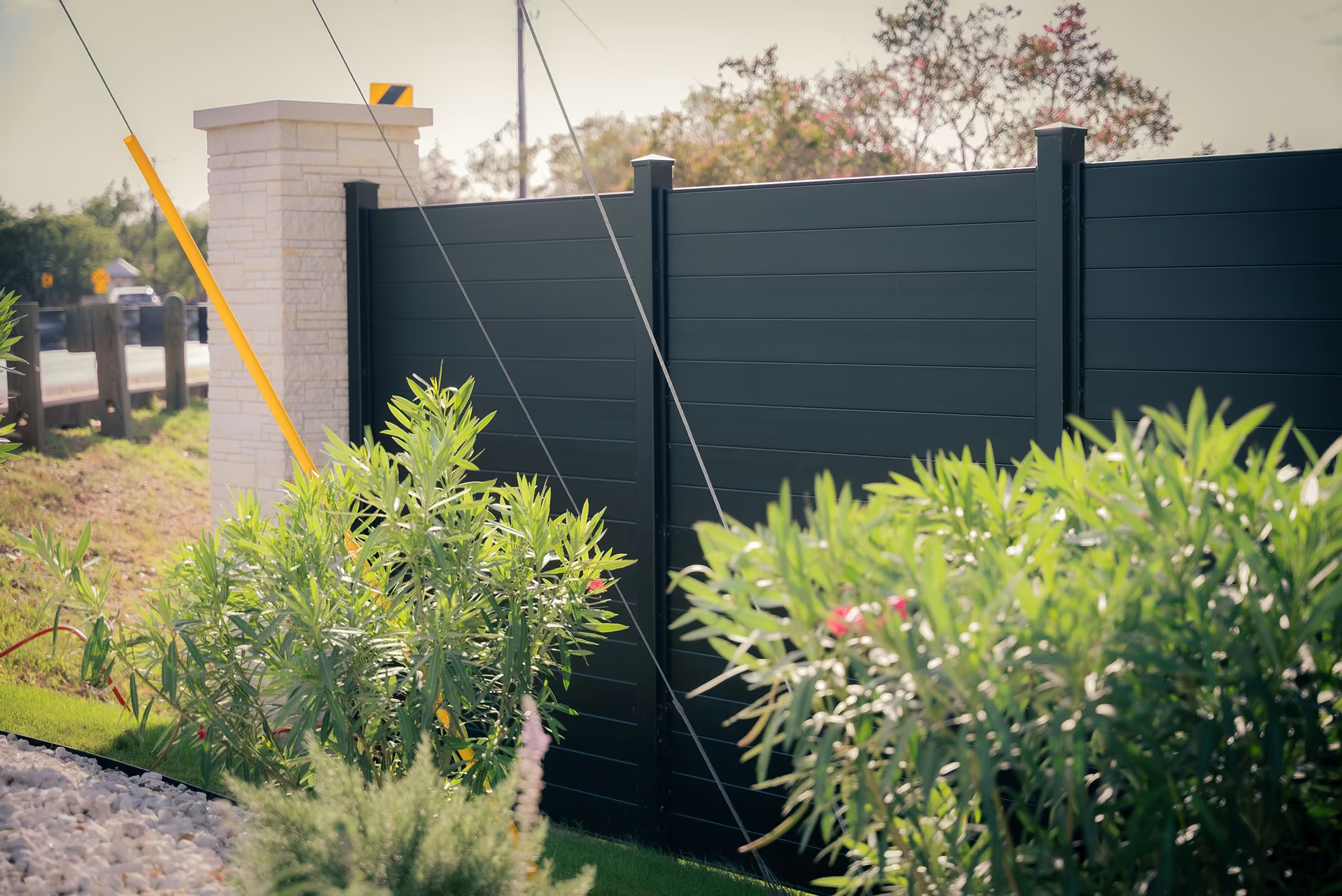
SLEEKFENCE uses powder-coated aluminum panels with a matte black, warm white or woodgrain finish. The layout options, including Full Privacy, Semi Privacy, and Privacy Hybrid styles, are designed to elevate both residential and commercial properties. One designer called it “a high-end architectural backdrop that happens to function as a fence.”
Privacy that Supports Clean Design
Privacy is a core feature of any outdoor space, but in 2026, it’s being reimagined. The trend is moving away from bulky structures and toward options that feel intentional. The right fence should screen a space without taking it over.
SLEEKFENCE Full Privacy panels create that effect. The panel spacing, color, and finish are tailored to blend in with modern landscaping, hardscaping, and structures. It’s a design that feels finished and elevated, not just functional. Unlike traditional wood or vinyl fences, aluminum requires no sealing, staining, or repainting. It holds its shape and color with virtually no effort.
Built for Fire Safety and Harsh Conditions
Modern fencing must also perform under pressure. In regions with extreme weather, dry climates, or wildfire risk, safety is a growing concern. That’s why fire resistance is an essential element to consider when choosing your fence.
SLEEKFENCE is made from structural-grade aluminum and carries a Class A fire rating under ASTM testing. It does not ignite or release smoke under heat, and it maintains its form at temperatures well above what vinyl or composite materials can withstand. According to CAL FIRE, fences made from flammable materials can accelerate wildfire spread. Non-combustible fencing is a safer and more forward-thinking choice. You can learn more an ASTM fire rating is here.
The Future of Fencing is Aluminum.
Clean lines. Eco-friendly materials. Long-term value. In 2026, aluminum fencing is the clear answer for anyone focused on design, durability, and safety. SLEEKFENCE delivers a high-end look without the maintenance issues of wood or vinyl.
To see how modern fencing can transform your space, explore the SLEEKFENCE photo gallery or request a custom quote today.
Related Posts
Let’s Discuss Your Project
From early planning through installation, our team provides clear technical guidance and coordinated project support.