How Much Does an Aluminum Fence Cost (and What Actually Drives It)
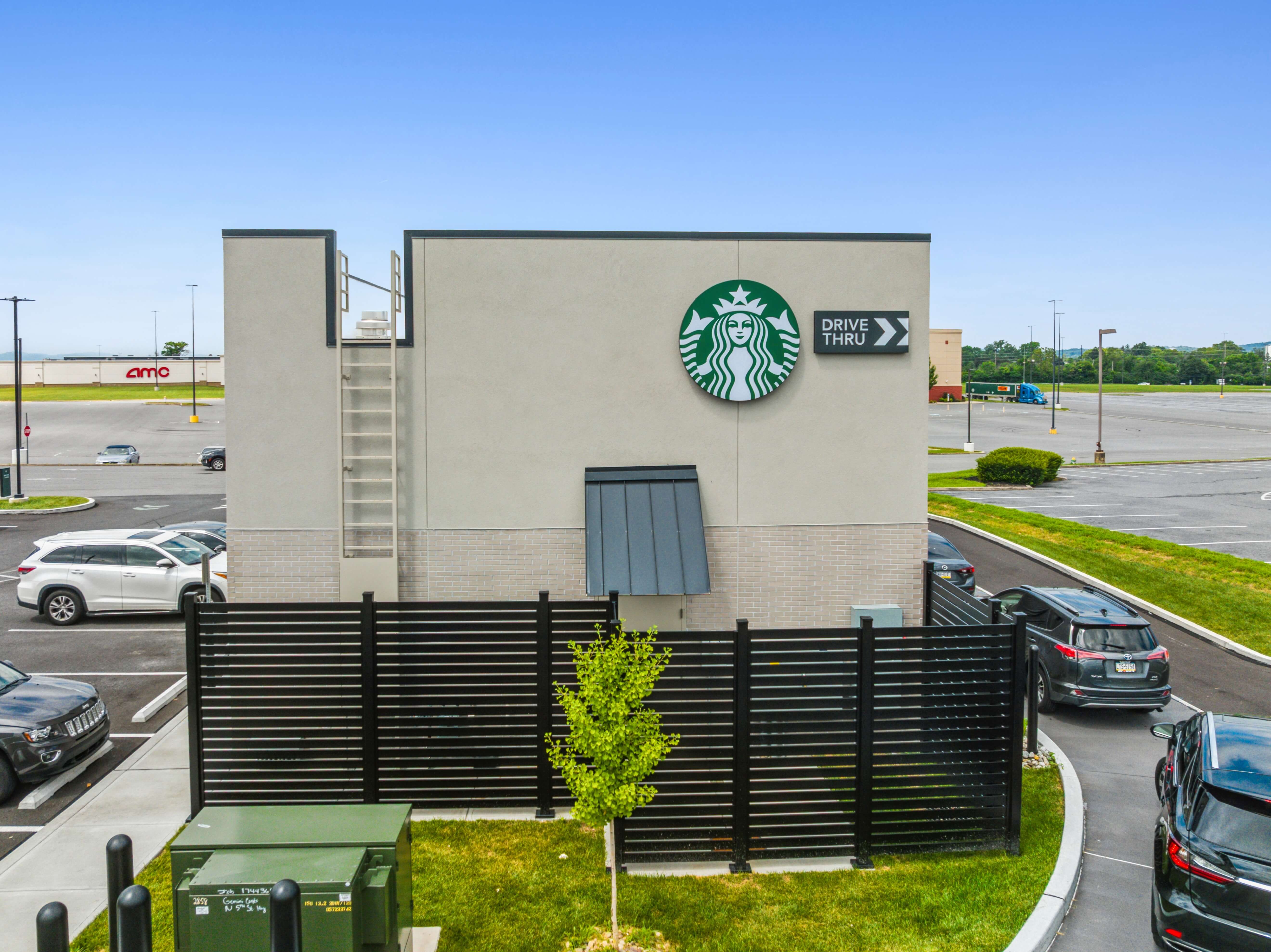
When people ask how much an aluminum fence costs, they’re usually expecting a simple number. The reality is, cost depends heavily on what the project is trying to achieve.
Before you even get into pricing, the first question to answer is this: does the fence need to look good and perform 10, 20, or 30 years from now, or just at the time of completion?
That distinction matters more than anything else.
Short-Term vs. Long-Term Projects
On some projects, particularly new construction intended for sale, the fence is there to complete the site and help close the deal. In those cases, long-term performance often isn’t a priority. The goal is to look good at handover.
On the other hand, you have long-term ownership. Commercial properties, multi-family developments, HOAs, institutional projects, or repeat-site operators like restaurant chains. These owners live with the fence for decades.
If this is a replacement project, there’s usually already history. Money has been spent on repairs, repainting, replacing sections, or dealing with deterioration. That’s where aluminum starts to make more sense—not as a cost, but as a way to stop the cycle.
Aluminum tends to be selected when the goal shifts from lowest upfront cost to long-term performance and consistency.
What Actually Drives the Cost
Aluminum itself is a more expensive material than wood or vinyl. It requires significant processing—from raw extraction through to finished extrusions and coated components—which is part of why it sits at a higher price point.
But material cost is only one piece. The bigger drivers are tied to the project itself.
Style is a major factor. Open picket fencing will typically cost less than full privacy systems. Privacy fencing uses more material, more structure, and often tighter tolerances.
Height also plays a role. A standard 4' or 6' fence is very different from an 8', 10', or 12' system. As height increases, so do structural requirements.
Engineering requirements can significantly impact cost. Wind load is one of the biggest variables. In exposed areas—coastal regions, open sites, or higher elevations—fences must be designed to handle higher wind pressures. A tall privacy fence effectively acts like a sail, and the system needs to be engineered accordingly.
Mounting conditions matter as well. In-ground installations are different from surface-mounted systems, especially on concrete or rooftop applications. These conditions often require additional engineering and hardware.
At that point, the fence is no longer just a product, it’s part of the building system.
Typical Cost Positioning
At a high level, aluminum fencing sits above most common fence materials in upfront cost.
Compared to other options:
- It is generally higher than composite fencing
- Roughly about twice the cost of vinyl fencing
- Often around three times the cost of cedar fencing
- Significantly higher than chain link or basic steel systems
It is also competitive with, and in many cases, more cost-effective than concrete wall systems when you factor in installation and lifecycles.
For commercial privacy applications, aluminum is typically in the higher range of fence options, but also one of the longest-lasting.
Getting to a Real Number
Because there are so many variables, the most accurate way to price an aluminum fence is to start with layout and location.
For early-stage budgeting, tools like a cost calculator can be useful. Drawing the fence layout over a site plan or satellite image and applying a linear footage cost gives a reasonable starting point.
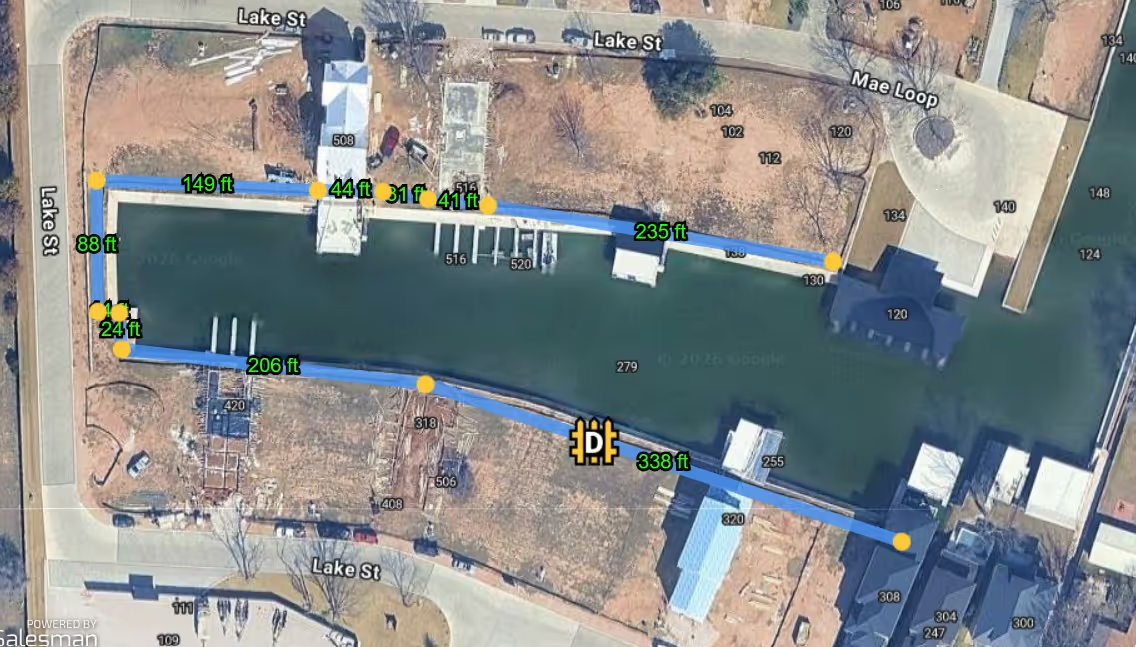
Use the SLEEKFENCE cost calculator to get your budget estimate now. Just keep in mind that the number is only a baseline.
Final pricing depends on design, height, engineering requirements, and site conditions. For that reason, it’s always worth involving the manufacturer early. A good manufacturer can help determine what the project requires, especially when it comes to wind load, structural design, and code considerations.
On more complex projects, engineering input may also be required to ensure the system performs as intended.
Why Aluminum Is Typically Selected
Aluminum isn’t the lowest-cost option, and it’s not meant to be.
It’s selected on projects where the fence needs to perform, hold its appearance, and remain consistent over time. It avoids the maintenance cycles of wood, the limitations of vinyl, and the security issues of chain link.
If the goal is to minimize upfront costs, there are cheaper options.
If the goal is to install something once and have it still look and perform the way it should years later, aluminum is where most projects end up.
If you’re planning a project and want to make sure the fence system is aligned with your site conditions, layout, and engineering requirements, our team can help review your plans and provide guidance early in the process.
Related Posts



Let’s Discuss Your Project
From early planning through installation, our team provides clear technical guidance and coordinated project support.