Aluminum vs. Composite Fencing for Commercial Projects
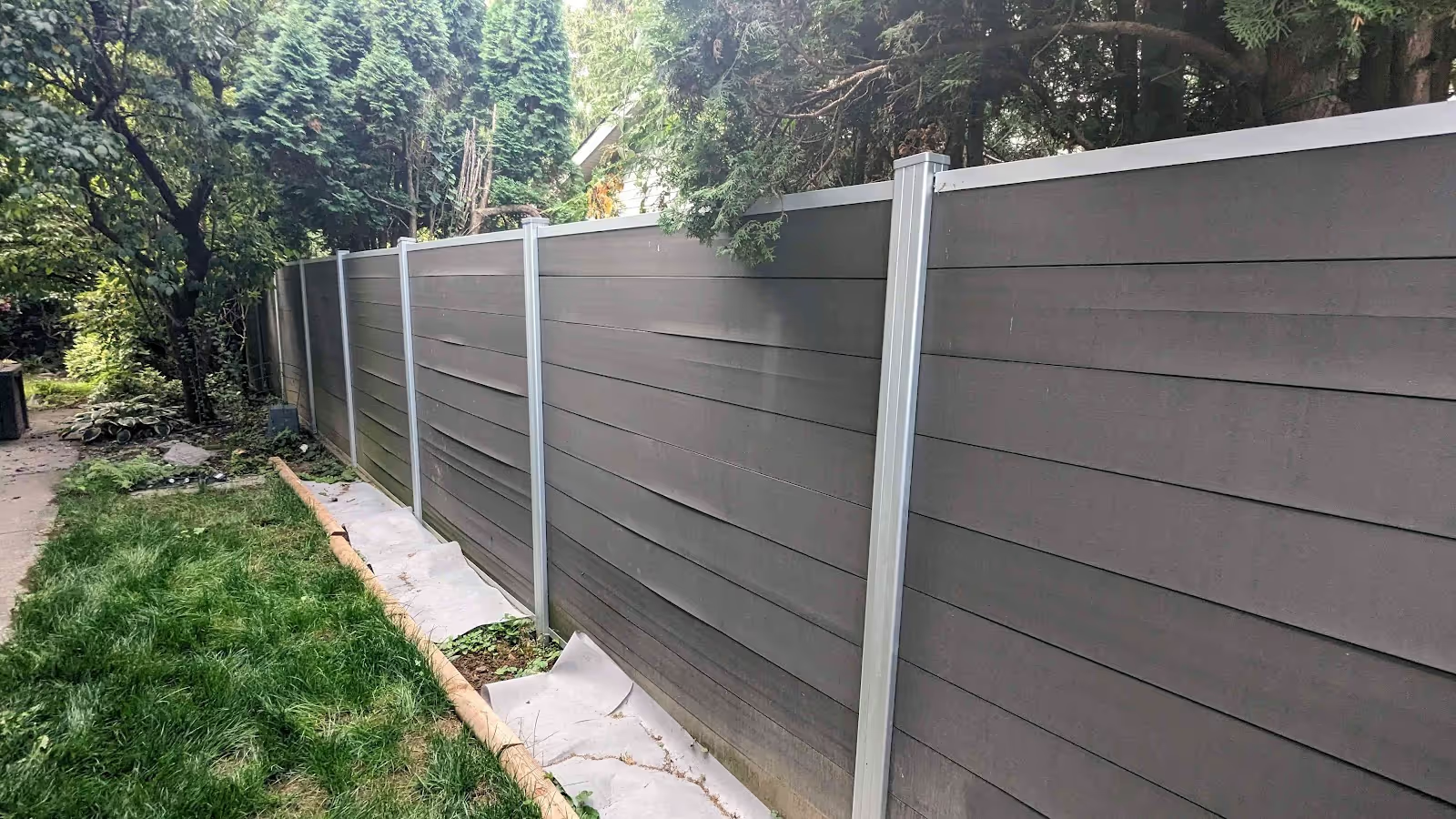
Composite fencing has gained traction over the last few years, mostly as a “wood-look” alternative without using real wood. But once you look at how it performs on commercial projects—especially at scale—it starts to fall short compared to aluminum systems.
Composite Fencing
There are a wide range of composite fence products on the market. Some are higher-end systems, others are low-cost imported options. Most are a blend of wood fibers and plastic, although some lower-end products are essentially plastic with fillers.
There are also different system types. Some use slats that drop into channels, similar to aluminum privacy systems. Others use interlocking boards, which can be more complicated and labor-intensive to install.
From a structural standpoint, composite is not a true structural material. Most systems rely on aluminum or steel posts for support, and in many cases include metal reinforcement within the rails or frames. The composite itself is doing very little structurally.
Moisture is one of the biggest issues. Composite can absorb moisture over time, especially through cut ends or seams. When that happens, the material can become soft or spongy. In colder climates, moisture can freeze, expand, and cause cracking, particularly in hollow or semi-hollow profiles. This is something we’ve seen firsthand on installed projects.
Heat is another factor. Some composite products, especially darker colors, can absorb heat and experience expansion, movement, or slight warping depending on the system.
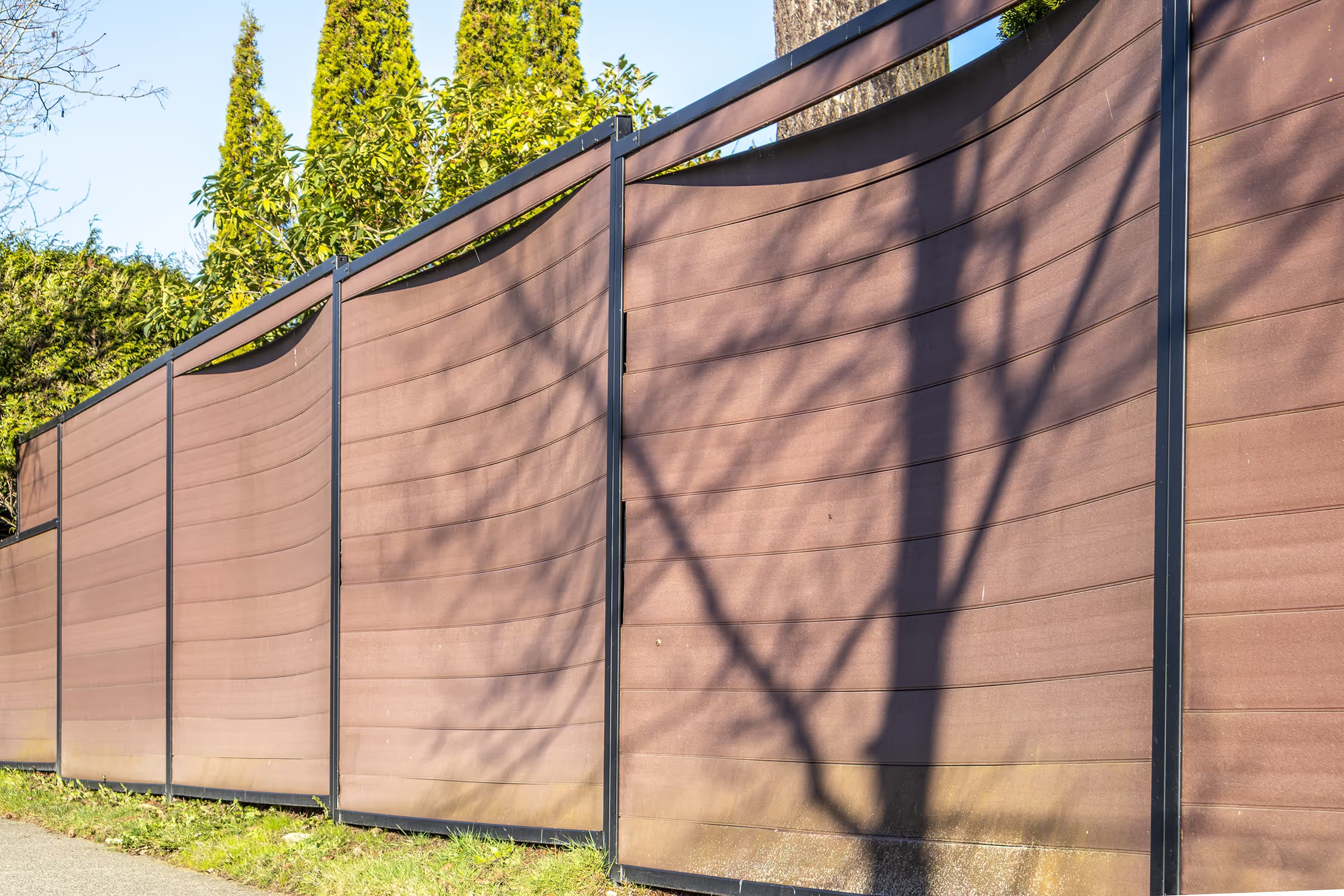
On the finish side, color is built into the material itself, not applied as a coating. That means you’re limited to the manufacturer’s color range. Over time, fading can still occur, and it’s not always consistent across panels.
From a design standpoint, composite is limited. You can achieve solid privacy looks, but you can’t do thinner profiles or open picket-style designs. The material simply isn’t strong enough for that—it would break or fail. This becomes a limitation on projects that require both open and private sections.
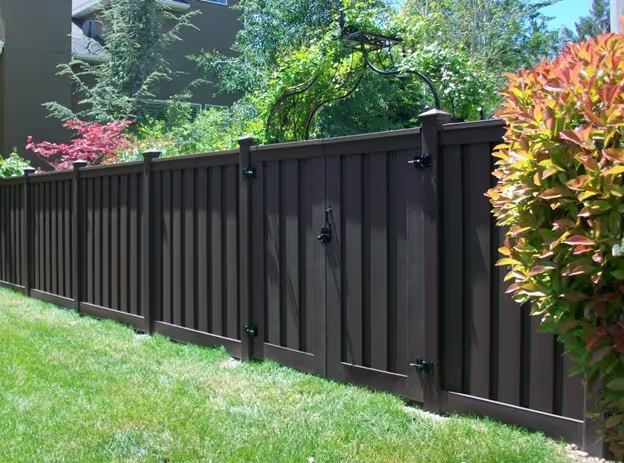
Composite also creates a mixed-material system. You’re typically pairing composite boards with powder-coated aluminum or steel posts and frames. Over time, these materials weather differently, which can lead to an inconsistent look across the project.
Cost-wise, composite often comes in around a similar range to aluminum on commercial projects, sometimes slightly lower depending on the system. But once you factor in the structural framing required, the gap is not significant.
One area where composite performs similarly to aluminum is sound. Solid composite fencing provides a comparable level of noise reduction to solid aluminum privacy systems in most outdoor applications.
At the end of the day, composite is best suited to higher-end residential applications. It’s not typically engineered for commercial requirements like taller heights, higher wind loads, rooftop installations, or complex surface-mount conditions.
Aluminum Fencing
Aluminum is a purpose-built, engineered system for commercial use.
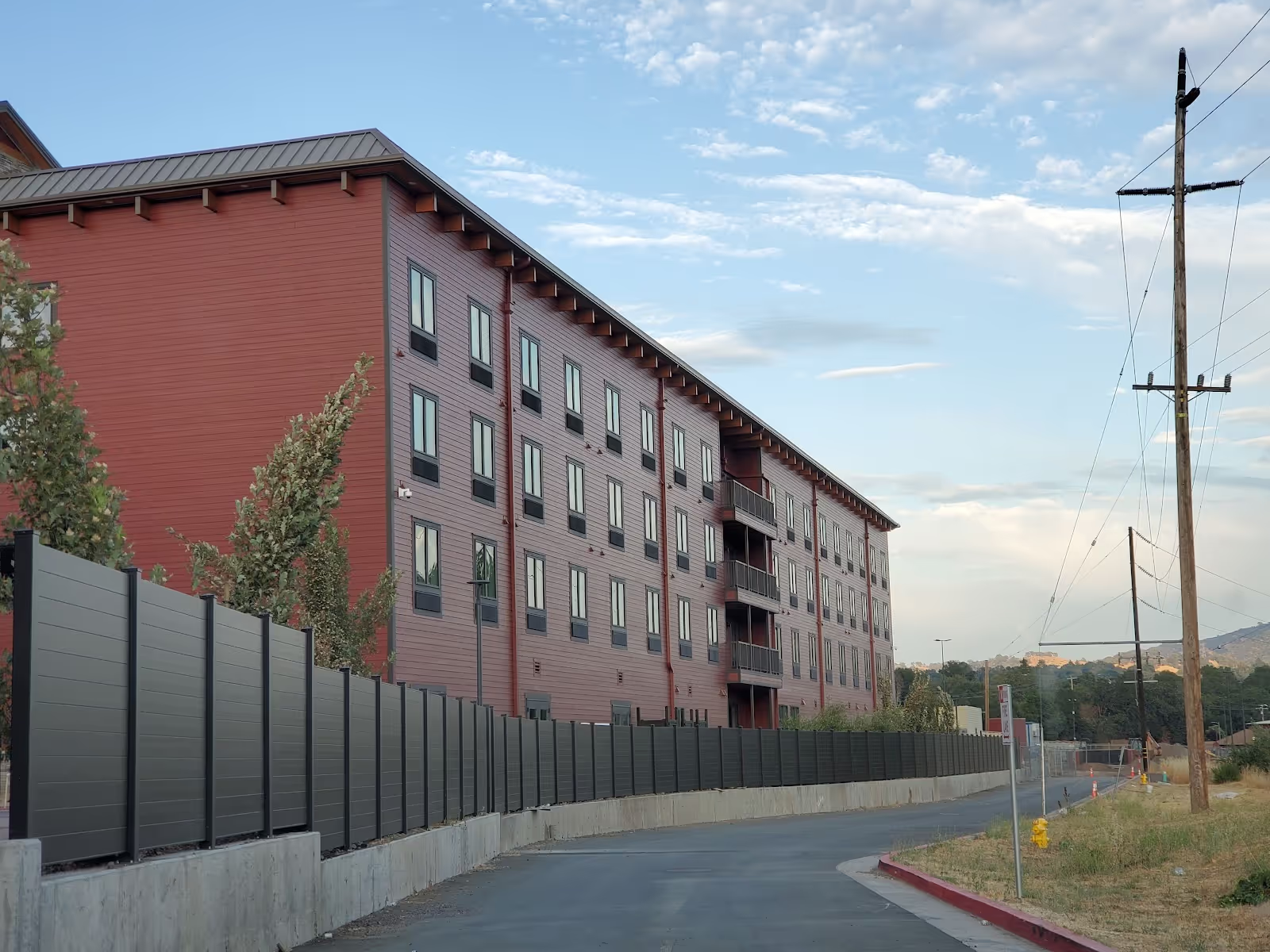
It’s structural by nature, so you’re not relying on infill materials to carry loads. That allows aluminum systems to be designed for higher wind loads, taller heights, and more demanding applications—including rooftops and surface-mounted installations.
Aluminum is also much more durable. It doesn’t absorb moisture, it won’t swell or crack from freeze/thaw, and it handles impact better than composite. A properly engineered system will hold its shape and performance over time.
On the finish side, powder coating gives you far more flexibility. You can achieve a wide range of colors—including darker tones—and woodgrain finishes, without being limited to a fixed material color. The finish is consistent and holds up over time.
Design flexibility is another major advantage. Aluminum can be used for solid privacy fencing, open picket designs, vertical or horizontal layouts, and thinner, more refined profiles. That allows you to keep a consistent material across an entire project, even when design requirements change from area to area.
Everything is part of one system—posts, panels, and gates all match. You’re not mixing materials, and you don’t run into long-term inconsistencies in how things weather.
From an engineering standpoint, aluminum systems are built for commercial use. They can handle height, wind, and structural requirements that composite systems generally are not designed for.
Why Aluminum Is Typically Selected
Composite can work where the goal is a wood-look aesthetic and the project is relatively straightforward, typically residential or light commercial with lower structural demands.
But it comes with tradeoffs—moisture sensitivity, limited design flexibility, mixed materials, and less long-term consistency.
Aluminum is a fully engineered solution. It gives you more design freedom, better durability, and consistent performance across the entire project.
On most commercial applications, especially where structure, longevity, and clean design matter, aluminum is the most reliable choice.
If you’re working on a project with specific wind load, mounting, or design requirements, contact us so we can support with system recommendations and help ensure everything is aligned with engineering and specification needs.
Related Posts


Let’s Discuss Your Project
From early planning through installation, our team provides clear technical guidance and coordinated project support.