Security and Containment Fencing: Designing for Safety in Commercial and Multi-Use Spaces
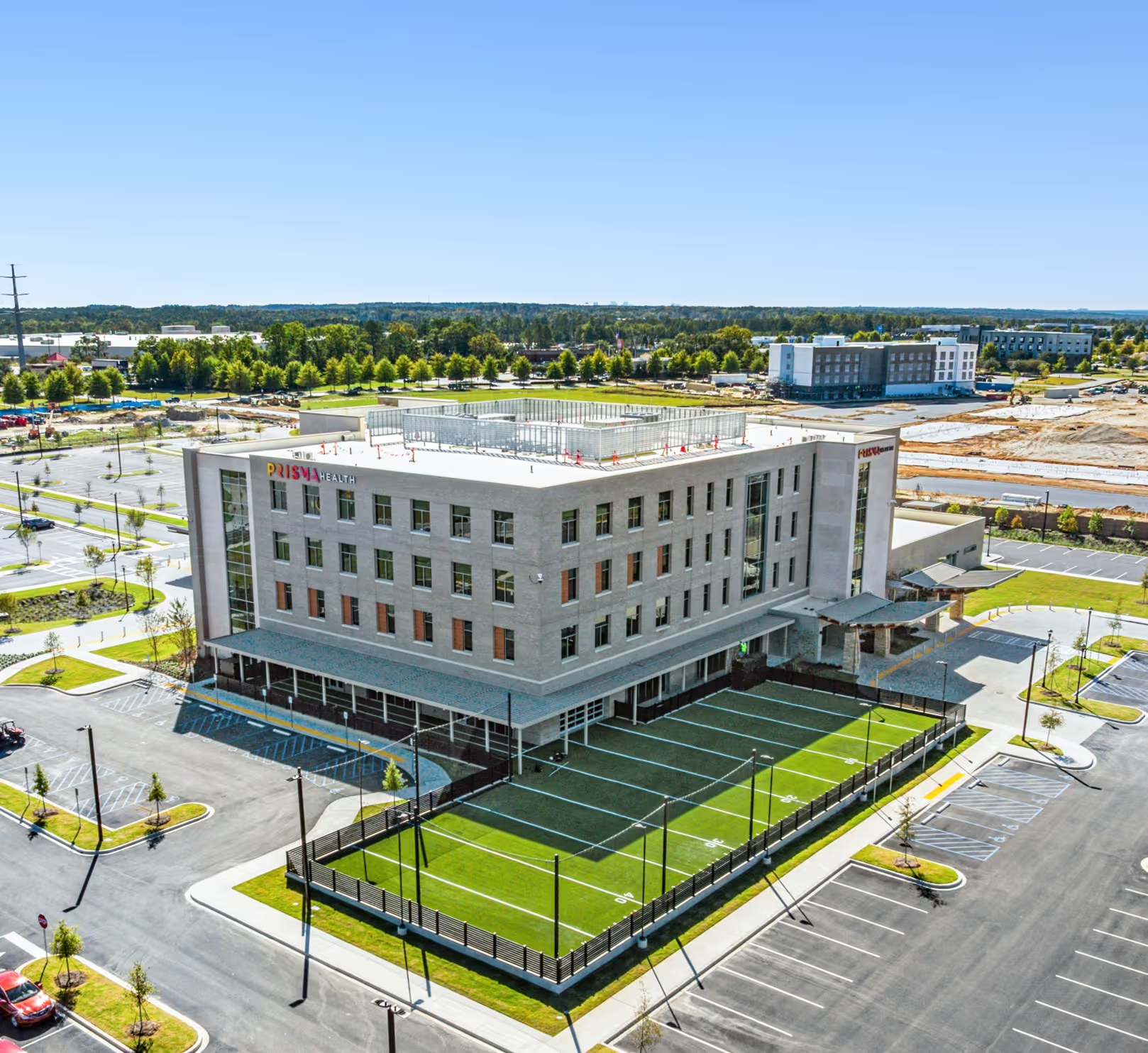
When people think about containment fencing, it’s often in the context of residential use. In reality, some of the most important applications are in commercial and multi-use environments where safety, durability, and controlled access are critical.
These projects are not just about keeping something in or out. They are about managing movement, protecting people, and ensuring the space functions the way it was intended over the long term.
That requires a different level of planning.
Where containment actually matters on real projects
Containment fencing shows up across a wide range of commercial and institutional environments:
- schools and campuses
- multi-family developments
- public parks and shared spaces
- amenity areas and courtyards
- dog parks and designated pet areas within larger developments
In each case, the goal is similar - define a boundary while maintaining safety, visibility, and long-term durability.
But the requirements are very different from a typical residential backyard.
You’re dealing with higher traffic, stricter safety expectations, and a much lower tolerance for failure.
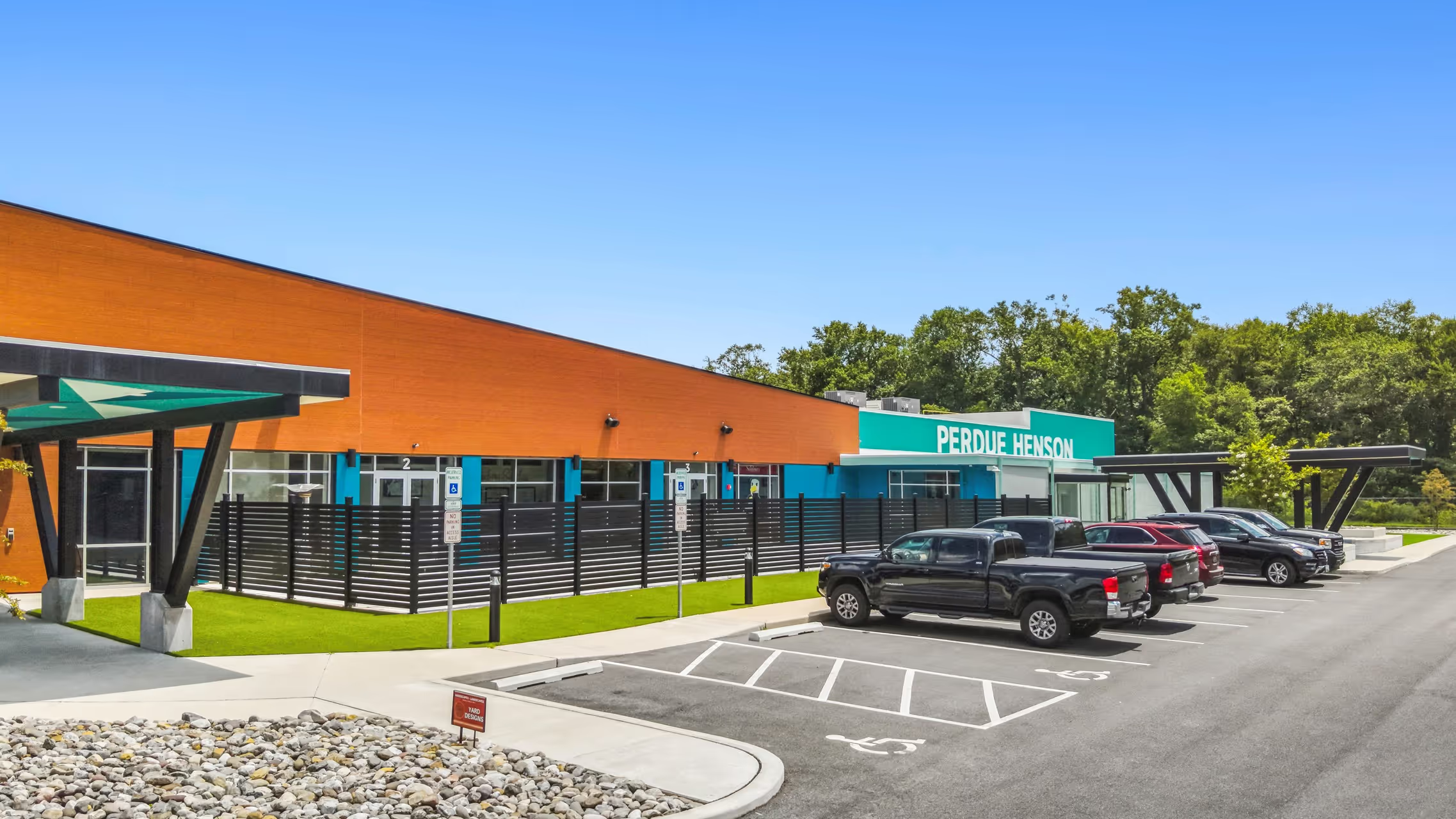
Safety and visibility need to work together
One of the biggest mistakes in containment-focused fencing is prioritizing one factor at the expense of the other.
Fully enclosed, solid fencing can create blind spots. Completely open fencing can reduce the sense of security or allow unwanted access.
The right approach depends on the environment.
For example:
- schools often require clear visibility for supervision while maintaining secure perimeters
- multi-family developments need defined boundaries without making spaces feel closed off
- dog parks benefit from visibility for safety while still requiring durable containment
This is where design flexibility becomes important. Being able to choose between open, semi-private, or fully private configurations allows the fence to match the function of the space.
Durability is not optional
Containment areas tend to experience more wear than standard perimeter fencing.
You’re dealing with:
- constant use
- potential impact from people, pets, or equipment
- gates opening and closing frequently
- exposure to weather over large, open areas
Materials that rely on coatings over steel or organic materials like wood tend to degrade over time, especially at connection points or areas of frequent contact.
A system that maintains its structural integrity and finish without ongoing maintenance becomes critical in these environments.
Why gates are the most important part of the system
In containment applications, gates are often the highest stress point.
They control access, handle repeated use, and are the first place where issues show up if they’re not designed properly.
On many projects, gates are treated as an add-on rather than part of the system. That leads to:
- misalignment over time
- inconsistent appearance
- premature hardware failure
In higher-traffic environments like schools or shared residential spaces, gates also need to account for:
- controlled access points
- emergency egress
- hardware requirements such as panic bars
If these factors aren’t addressed upfront, they become problems very quickly after installation.
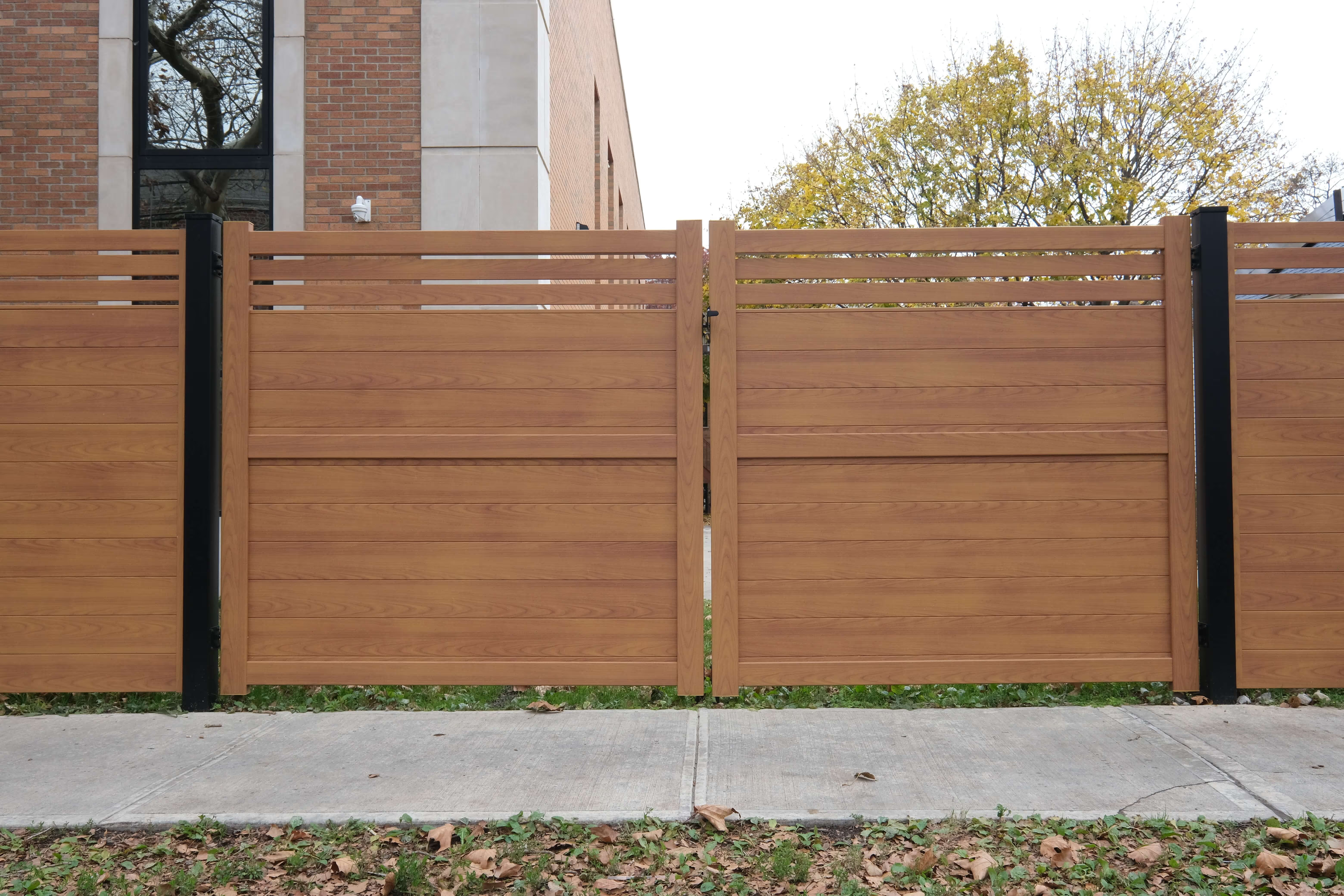
Why system design matters in containment applications
The performance of a containment fence doesn’t come down to a single material or feature. It comes down to how the entire system works together.
A well-designed aluminum fencing system provides a few key advantages:
- consistent structural performance across long runs
- resistance to corrosion without reliance on coatings that can fail
- the ability to integrate gates that match both structurally and visually
- flexibility to adjust layout and configuration based on the specific use of the space
Because the system is engineered as a whole, you avoid the common issues that come from mixing materials or relying on field-built solutions.
This is especially important in environments where safety and long-term performance are non-negotiable.
Where this approach fits best
Containment-focused fencing is most effective when it’s treated as part of the overall site design, not an afterthought.
That applies to:
- new construction projects
- redevelopment of existing properties
- phased commercial developments
- institutional environments with evolving safety requirements
In these cases, the fence is not just a boundary. It’s part of how the space functions on a daily basis.
Bringing it all together
Containment fencing in commercial and multi-use environments is fundamentally different from residential applications.
It needs to manage access, maintain safety, handle consistent use, and hold up over time without constant maintenance.
That only works when the system is designed to support those requirements from the start.
If you’re planning a project where containment, safety, or controlled access is a key consideration, our team can help review your layout and ensure the fencing system is aligned with how the space will actually be used.
Related Posts

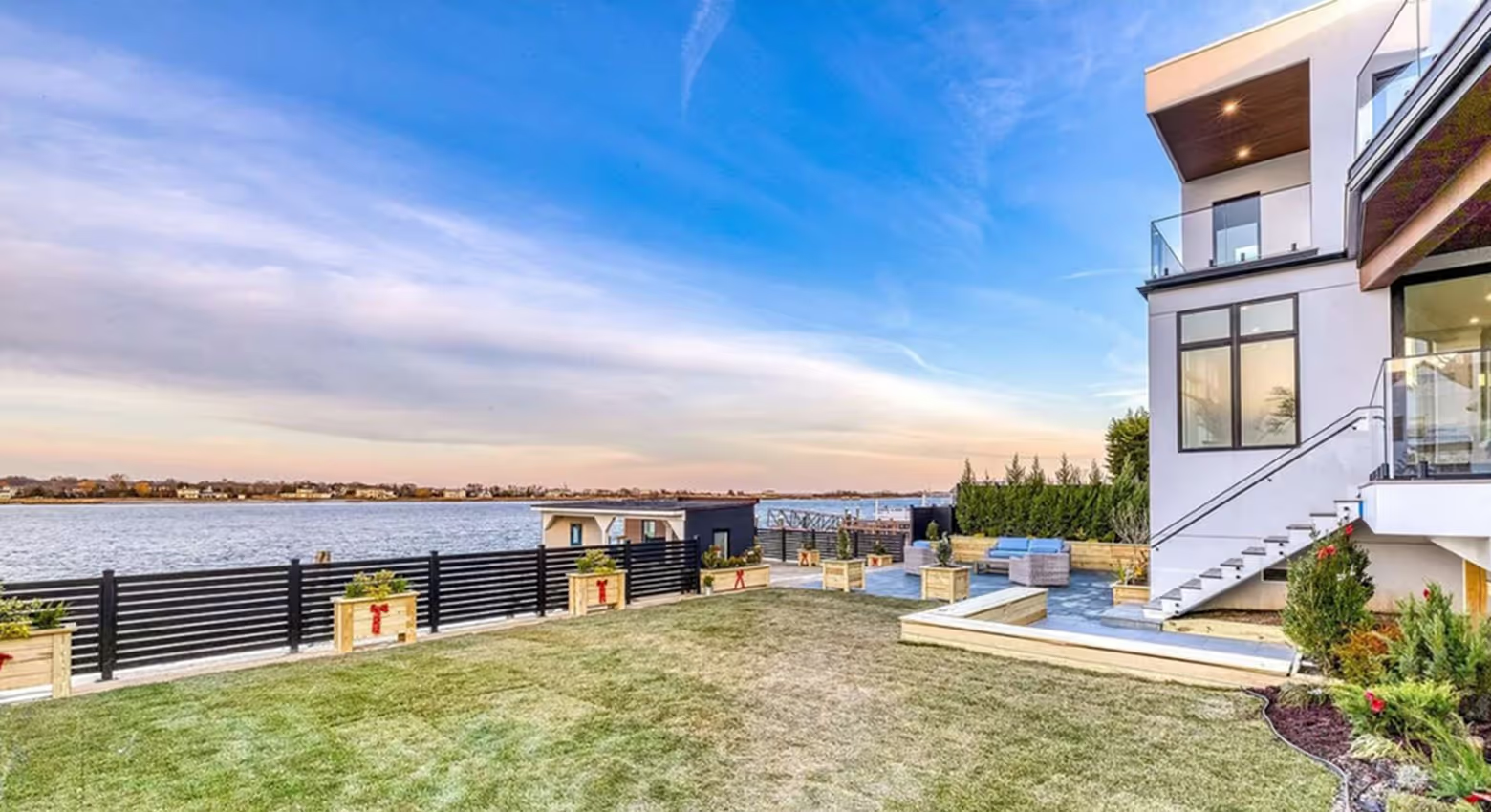
Let’s Discuss Your Project
From early planning through installation, our team provides clear technical guidance and coordinated project support.