Corrugated Metal vs. Aluminum Fencing for Commercial Projects
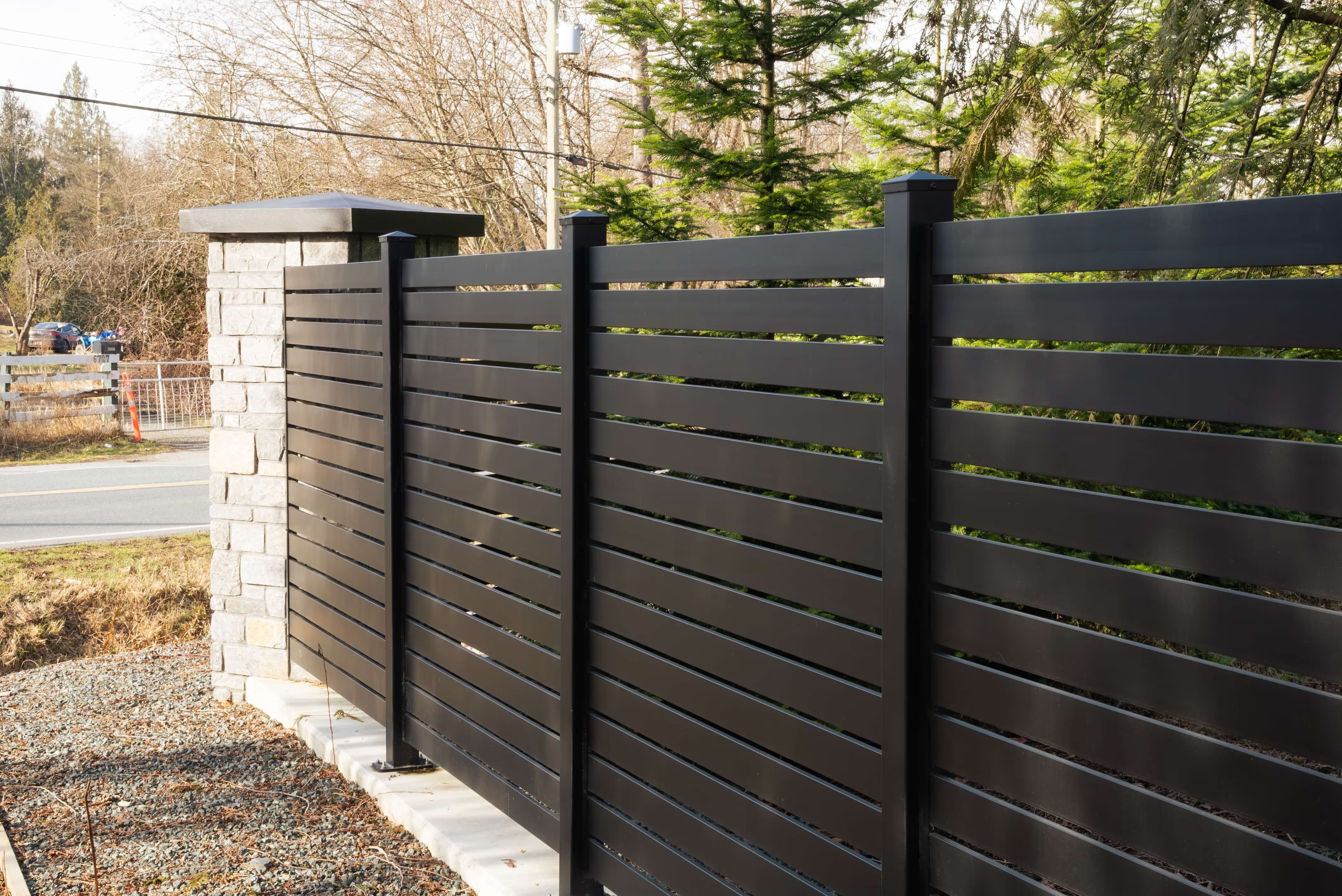
Corrugated metal fencing shows up from time to time on projects, usually driven by cost or a certain aesthetic. It has roots in Australia, where steel-based fencing systems are common and designed around a dry, low-moisture climate. But when you bring that concept into North American commercial applications, the performance gap compared to aluminum becomes clear.
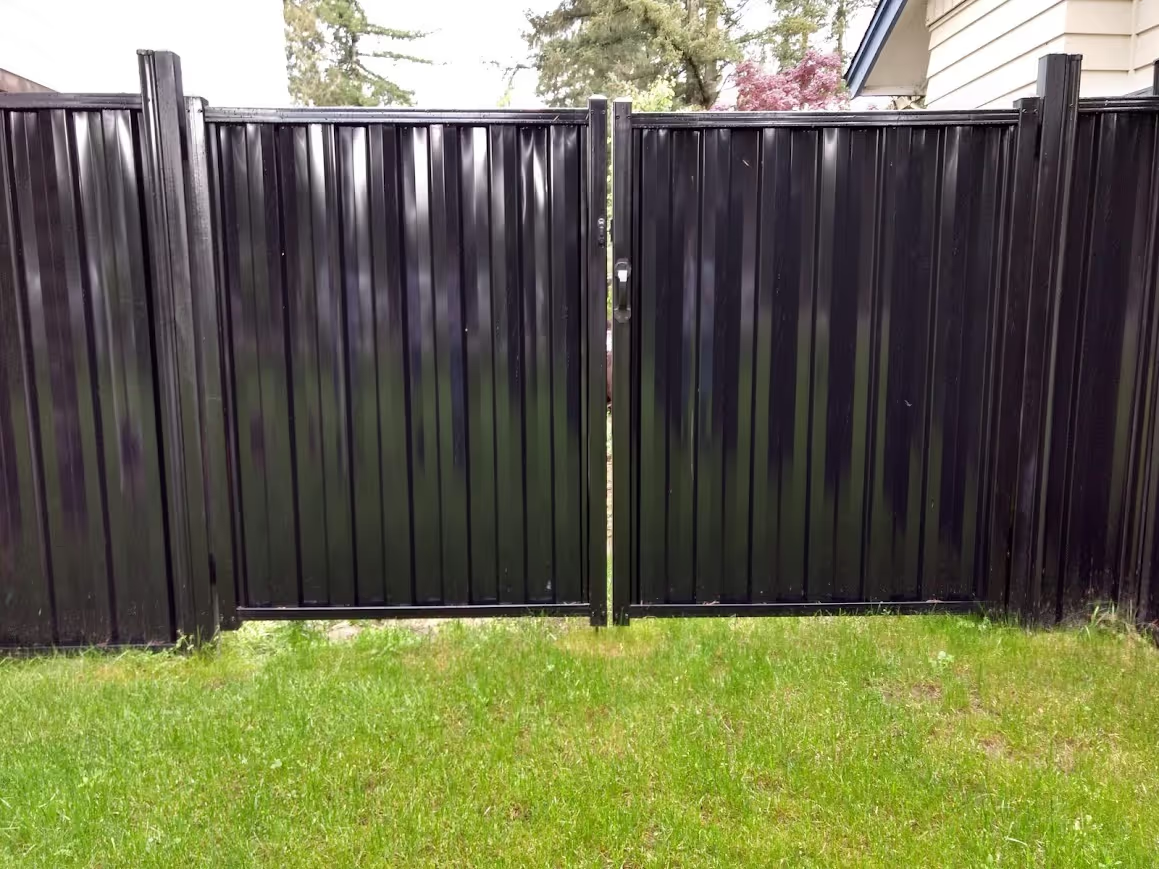
Corrugated Metal Fencing
Most corrugated fencing systems are based on thin sheet steel panels—similar to roofing material—attached to a frame or post system. In Australia, these systems are typically roll-formed steel with well-developed coating systems suited to their environment.
The issue is that those conditions don’t translate well to North America. We deal with more moisture, freeze/thaw cycles, and a wider range of climates. On top of that, many of the corrugated products available here are imported or lower-grade versions that don’t have the same coating quality.
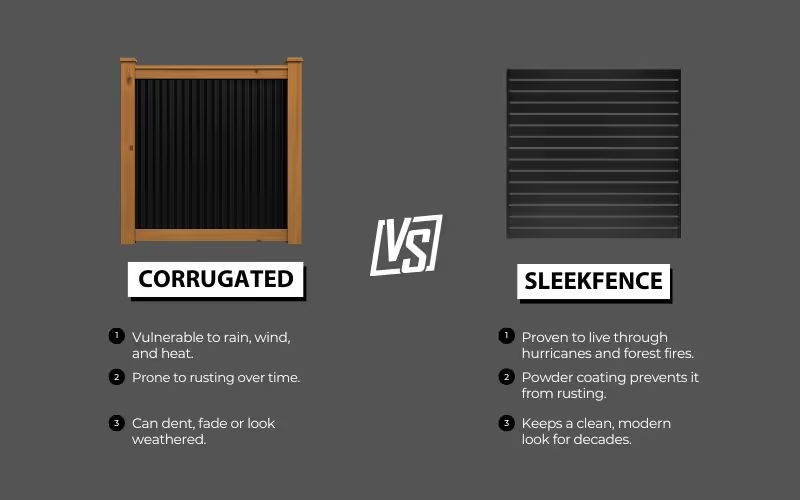
Once the coating is compromised—even slightly—you’re exposed to rust. And that can happen easily. A small scratch, dent, or nick during installation is enough. You often don’t notice it at installation, but once it’s exposed to the elements, rust starts forming and spreads from that point.
Denting is another issue. Corrugated panels are thin, single-wall sheet metal. They damage easily from impact and don’t hold up well in high-use environments.
From a structural standpoint, these systems are very limited. They’re not engineered for commercial wind loads, taller heights, rooftop applications, or complex surface-mount conditions. Rackability is also limited, which makes them harder to use on sloped sites.
There are also versions that use wood posts with corrugated steel panels. This creates a weak link in the system—the posts. Once the wood starts to degrade, the entire fence lifespan is limited by that component, not the steel panel.
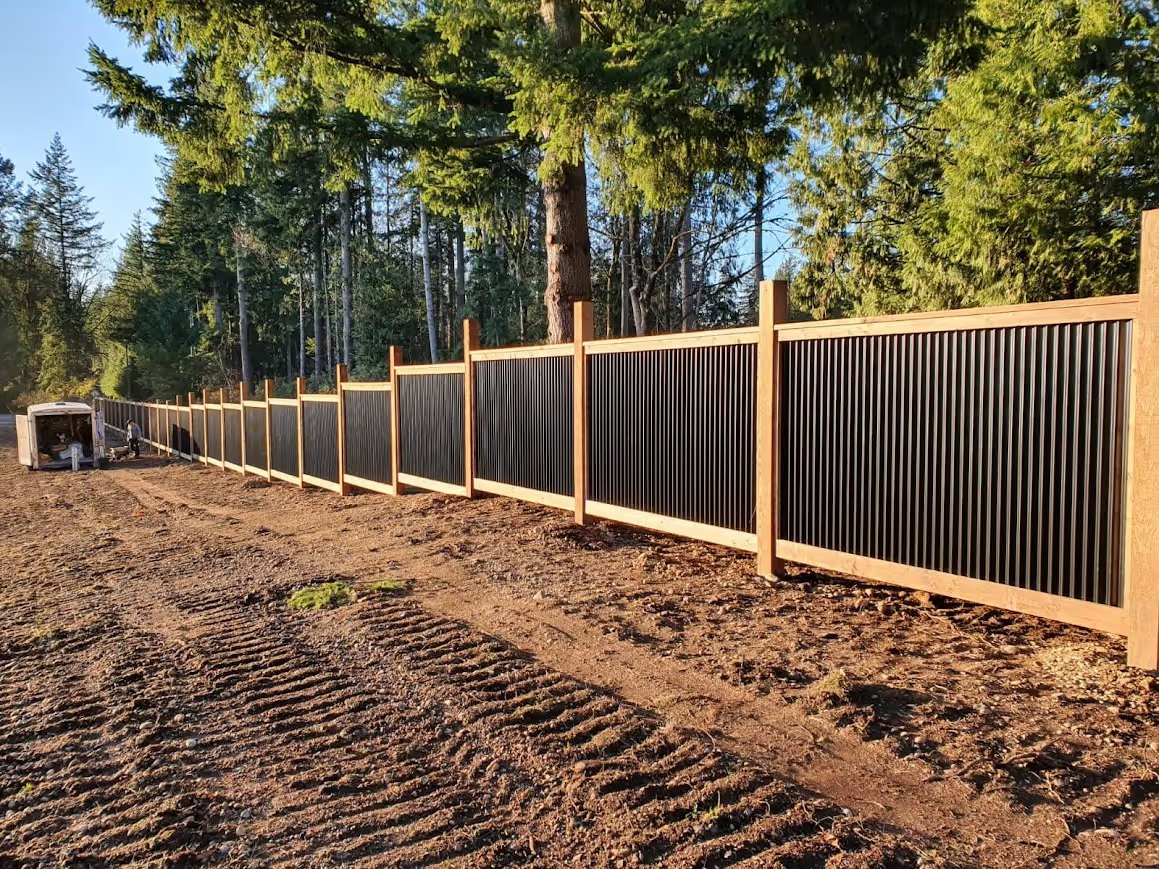
Design-wise, corrugated fencing is narrow in scope. It’s essentially a privacy panel solution. You don’t get flexibility for open designs, pickets, or more refined architectural applications.
Gate systems are another weak point. They tend to be flimsy, limited in size, and not well integrated. In many cases, you end up fabricating a custom aluminum gate just to make the system function properly—which creates a mismatch in materials and appearance.
Cost is the main reason it gets considered. Steel is generally less expensive than aluminum as a raw material, and corrugated systems reflect that. On a comparable privacy fence application, corrugated steel can come in at a fraction of the cost—sometimes significantly lower.
But that lower cost comes with major tradeoffs in durability, appearance, and where the system can actually be used.
Aluminum Fencing
Aluminum is a completely different category. It’s an engineered system designed specifically for commercial applications.
First, corrosion resistance. Aluminum doesn’t rust. Even if the coating is compromised, you don’t get the same progressive failure you see with steel. That alone makes it far more reliable in environments with moisture, salt, or weather exposure.
Structurally, aluminum systems are built from extruded profiles, not thin sheets. That allows them to be engineered for wind loads, taller heights, rooftop installations, and surface-mount conditions. You can design a system that actually meets commercial requirements.

Durability is also much higher. Aluminum doesn’t dent the same way thin sheet metal does, and it holds its shape over time.
On the finish side, powder coating provides consistent, long-lasting color without the same risk of rusting from minor damage. You can also achieve a wide range of finishes, including darker tones and woodgrain, without performance issues.
Design flexibility is a major advantage. Aluminum can be used for solid privacy fencing, horizontal slat systems, vertical pickets, or more open designs. You’re not limited to a single panel style.
Everything is part of a complete system—posts, panels, and gates all match. Gate systems are engineered, not improvised, and can handle larger openings and higher usage.
From an application standpoint, aluminum works across the board—commercial sites, high-end residential, rooftops, high-wind areas, and projects where appearance and performance both matter.
Why Aluminum Wins on Commercial Projects
Corrugated metal fencing is driven by cost and a specific aesthetic, and it can work in limited residential applications where conditions are controlled and expectations are lower.
But for commercial projects, it falls short. It’s not engineered for the environments these projects require, it’s prone to rust once damaged, and it lacks the structural capability and design flexibility needed.
Aluminum solves those problems. It’s engineered, consistent, and built to perform across a wide range of conditions while maintaining its appearance over time.
If the project is high-profile, long-term, or needs to meet real performance standards, aluminum is the more reliable and appropriate choice.
If you’re planning a project and want to make sure the fence system is aligned with your site conditions, layout, and engineering requirements, contact us so our team can help review your plans and provide guidance early in the process.
Related Posts


Let’s Discuss Your Project
From early planning through installation, our team provides clear technical guidance and coordinated project support.