Steel Fencing Can Rust
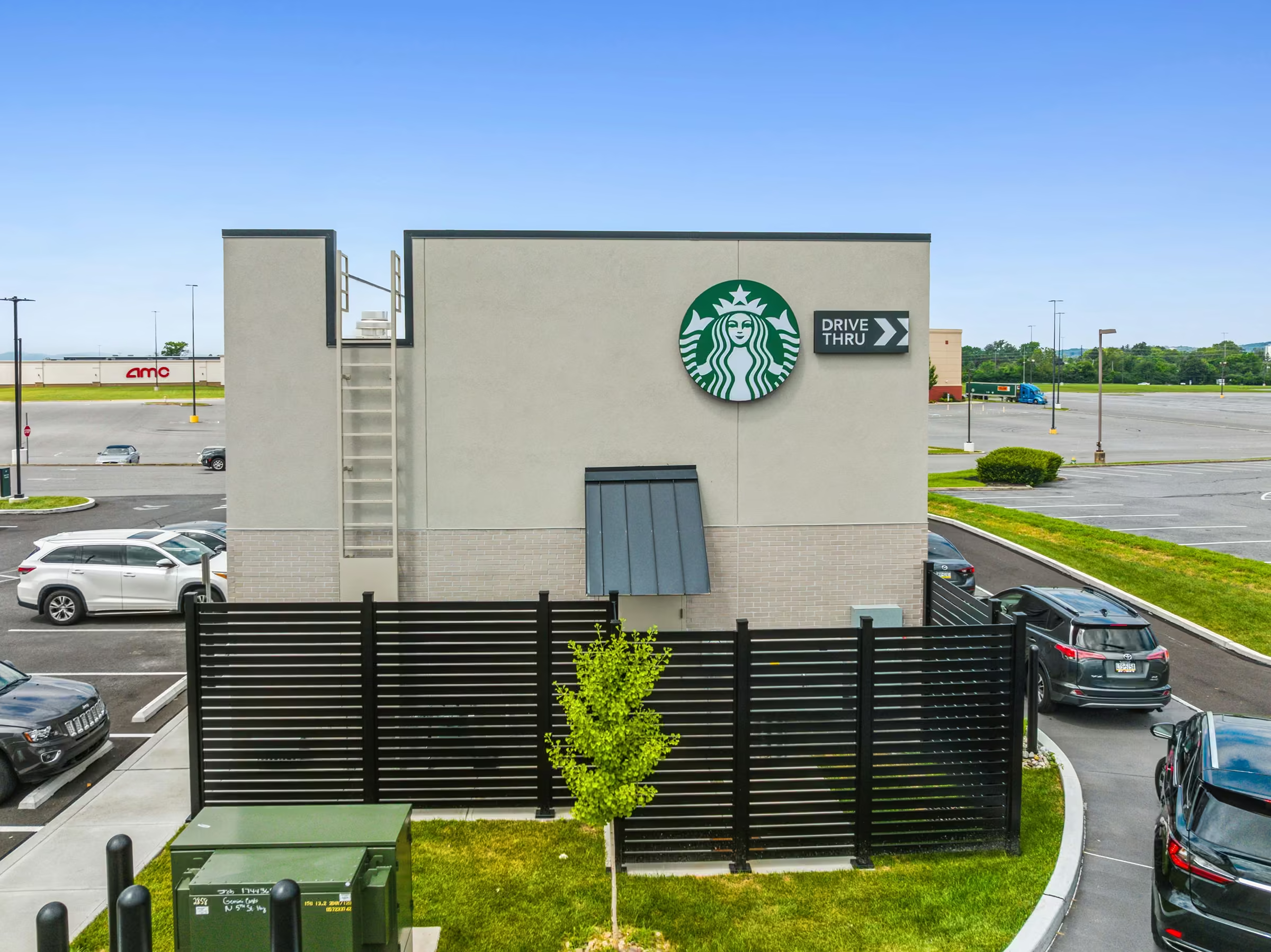
When people ask whether a metal fence rusts, what they are really asking is which metal will hold up better over time.
Not all metal fencing behaves the same way. Steel and aluminum are very different materials, and the consequences of a poor coating system are very different depending on which one you choose. For architects, property owners, and commercial project teams, that distinction matters.
Steel Fencing Can Rust
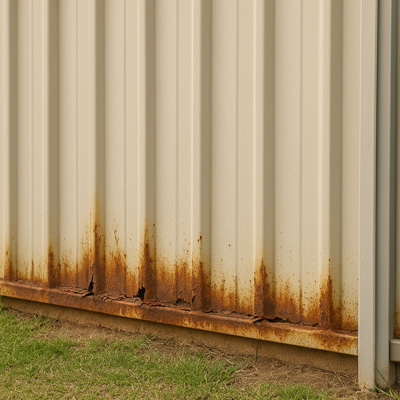
Steel fencing can absolutely rust over time.
That includes wrought iron-style fencing, corrugated steel fencing, and most other ferrous metal fence systems. Steel is often protected with galvanizing, paint, powder coating, or aluminum-zinc coatings such as Galvalume or ZINCALUME, and these systems can significantly improve corrosion resistance. In Australia, for example, COLORBOND steel products are built around coated steel technology designed for exterior exposure.
But the key issue with steel is this: once the protective system is damaged, or if the coating and pretreatment were not done properly in the first place, the base metal is vulnerable. A scratch, chip, cut edge, or poor installation detail can eventually become a corrosion point.
This is why steel fencing can perform well in some applications, but it also carries more risk. It is much harder for a buyer or specifier to know from looking at a product whether the coating system is truly high quality.
Aluminum Fencing Does Not Rust
Aluminum does not rust in the same way steel does because rust is specifically associated with iron and steel.
Instead, aluminum forms a thin oxide layer on its surface. That oxide layer helps protect the material rather than flaking away progressively like iron rust. This is one of the main reasons aluminum is widely used where long-term corrosion resistance matters.
That does not mean every aluminum fence will look good forever.
If the powder coating or pretreatment process is poor, an aluminum fence can still fade, chalk, wash out, or simply age badly from an appearance standpoint. The difference is that the consequence is usually visual and finish-related, not the same kind of structural corrosion risk you have with steel once protection is compromised.

Why Coating Quality Matters for Both
This is really the most important point.
With steel, coating quality is critical because it is what stands between the environment and a rust-prone base metal. With aluminum, coating quality is still critical, but more for appearance retention, finish durability, and long-term consistency.
So in both cases, coating matters. The difference is what happens when things go wrong.
If steel is poorly coated, damaged, or badly detailed, you can end up with a serious corrosion problem. If aluminum is poorly coated, you may end up with a fence that looks tired, faded, or inconsistent long before it should.
That is why finish quality, pretreatment, and batch-level quality control matter so much more than many buyers realize.
What This Means for Material Selection
If the project is highly price-driven and long-term appearance is not especially important, coated steel may still be considered depending on the application.
But if the project needs to maintain its appearance over time, avoid corrosion risk, and work as part of a structurally engineered system, aluminum is usually the safer long-term choice.
That is especially true for:
- high-end residential projects
- commercial projects
- coastal or exposed environments
- rooftop or elevated applications
- projects where long-term maintenance matters
In these cases, the discussion should not stop at whether the metal itself rusts. It should move to the bigger question: how is the entire fence system designed, coated, reinforced, and installed to perform over time?
Why the System Matters More Than the Material Alone
Material choice is only one piece of the puzzle.
A fence system still needs to suit the actual project requirements. Height, wind load, mounting conditions, exposure, gate loads, and long-term maintenance expectations all need to be considered.
That is where a properly engineered aluminum fence system has a major advantage. The value is not just that aluminum does not rust. The value is that the material can be used within a well-designed, reinforced, and properly coated system that is built for the conditions of the project.
Why Aluminum Is Typically Chosen for Long-Term Projects
Steel can be protected, but it will always depend heavily on the quality of the protective system to keep corrosion at bay.
Aluminum starts from a better position because it does not rust in the first place. When paired with a high-quality pretreatment and powder coating process, it becomes one of the most reliable fencing materials available for projects where longevity and appearance both matter.
That is why aluminum is so often selected where the goal is not just to finish the site, but to install something that still looks right years later.
If you’re planning a project and want to make sure the fence system is aligned with your site conditions, layout, and engineering requirements, contact us so our team can help review your plans and provide guidance early in the process.
Related Posts

Let’s Discuss Your Project
From early planning through installation, our team provides clear technical guidance and coordinated project support.