How to Hire the Right Fence Contractor for High-End Aluminum Projects
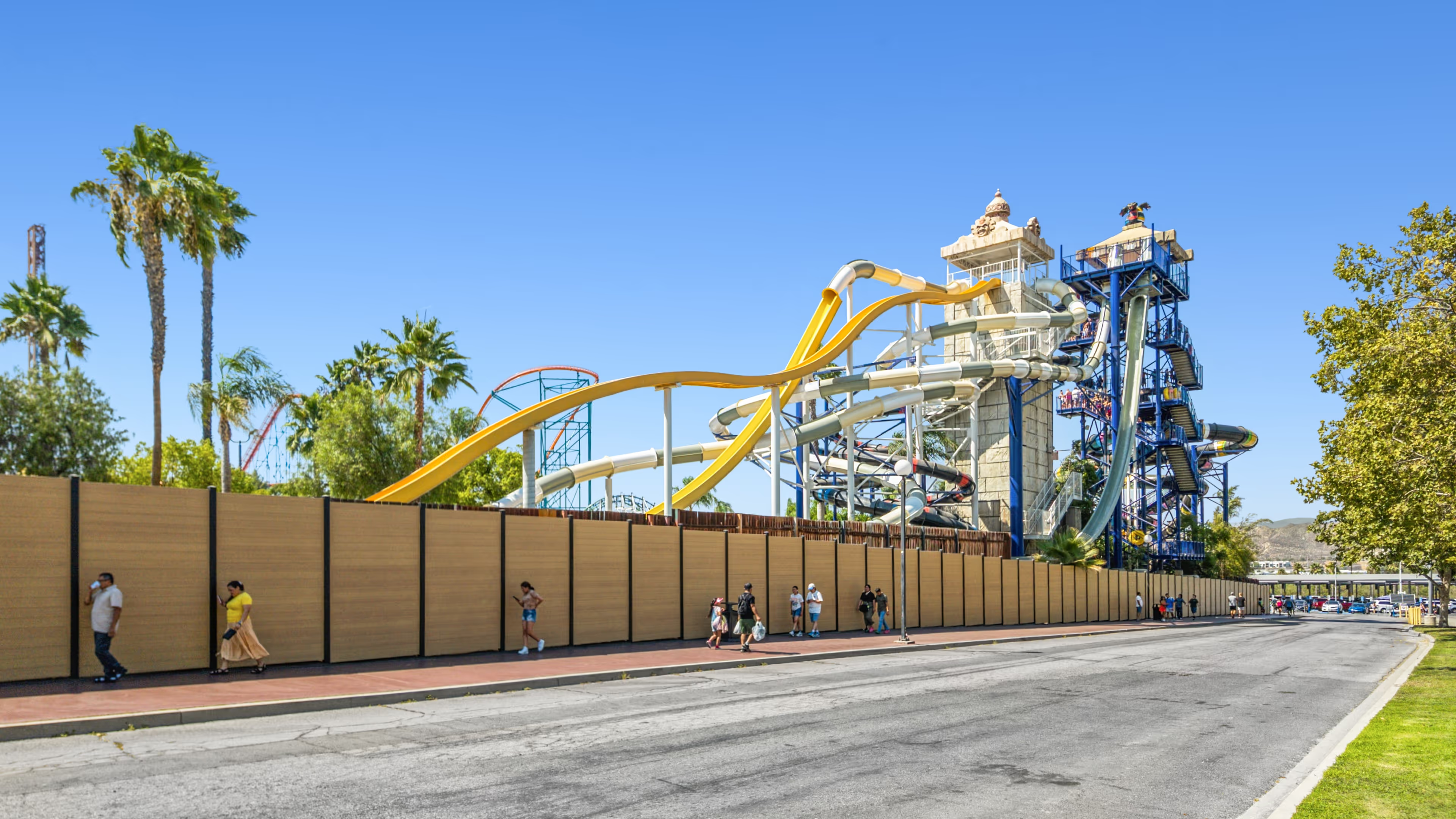
On smaller jobs, a fence is just another trade. On larger commercial or high-profile residential projects, it becomes part of the architecture, part of the security strategy, and part of the long-term performance of the site. That changes how it needs to be approached.
The biggest mistake is assuming any fence contractor can handle a high-end aluminum system. In reality, the complexity of the project should dictate who installs it, and getting that wrong can compromise both performance and appearance long after installation is complete.
Start With the Complexity of the Project
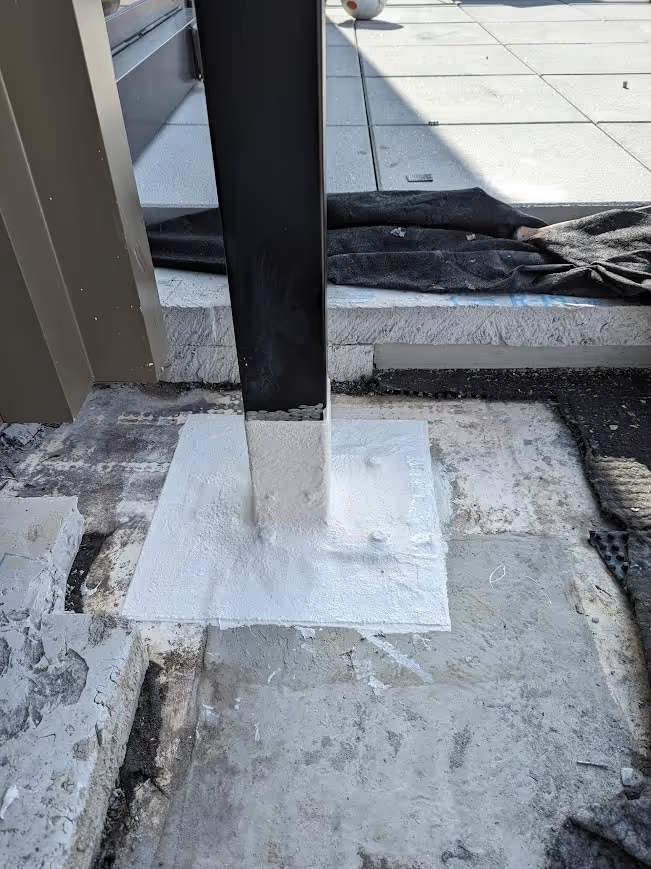
The first step is understanding what kind of installation you’re actually dealing with. A basic ground-level fence on a flat site is very different from a rooftop installation, a surface-mounted system, or a tall privacy fence with wind-load requirements.
As soon as engineering, height, or non-standard mounting conditions are involved, the fence is no longer a simple install. It becomes a system that must be executed precisely to meet both design and structural requirements. That level of work requires a contractor who is comfortable working from plans, specifications, and engineered details - not someone relying on standard field assumptions.
Understand Who Is Actually Doing the Work
On commercial projects, the company you hire is not always the company doing the work. A general contractor may assign the scope to a landscape contractor, who may then subcontract it further, or attempt to complete it in-house.
Each layer adds potential for miscommunication or loss of detail. The key is to identify exactly who will be installing the fence and confirm their experience with similar systems. Installing fencing in general is not the same as installing a high-end aluminum system with specific requirements.
Experience With Aluminum Systems Matters
Aluminum fencing is a finished, modular product. Unlike wood or raw steel, it arrives coated and ready to install, which means handling matters. Panels, posts, and gates cannot be treated like lumber or rough materials; damage during installation is permanent and visible.
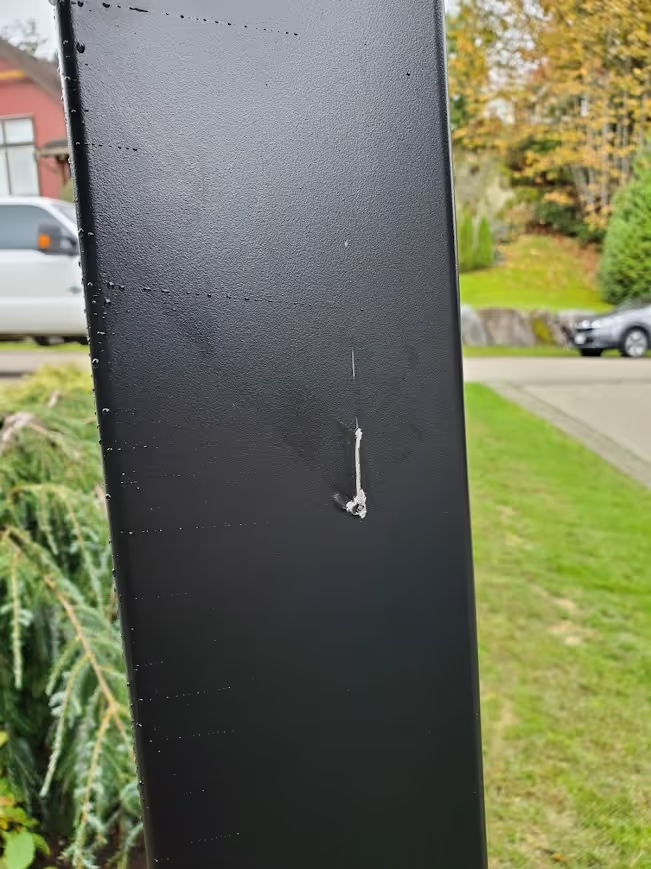
Beyond handling, there are system-specific details that must be followed. Alignment, spacing, fasteners, and assembly all need to be executed correctly for both performance and appearance. Contractors who are familiar with modular aluminum systems understand these requirements.
Plans and Specifications Must Be Followed Exactly
On higher-end projects, installation drawings and engineering requirements are not optional; they are part of the system. Post spacing, internal reinforcements, mounting methods, and gate hardware all need to be installed exactly as specified.
A contractor who is not used to working from plans may overlook these details or assume flexibility where there is none. That’s where issues start to show up, either immediately or over time.
The expectation should be that the contractor reviews the plans, understands them, and executes accordingly. If that process is not clearly in place, it’s a risk.
Match Contractor Experience to the Project Type
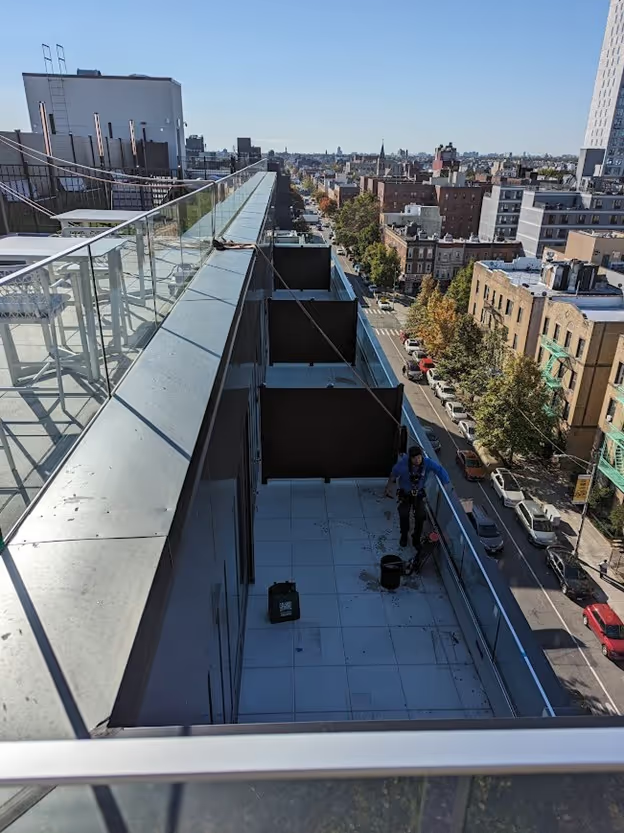
Not all experience translates across project types. A contractor who is comfortable installing residential fences may not be equipped for rooftop applications, where waterproofing, membrane protection, and anchoring methods become critical.
Similarly, taller fence systems or privacy walls with wind-load requirements demand a different level of execution than basic perimeter fencing. The closer the contractor’s past work aligns with the conditions of your project, the more confidence you can have in the outcome.
Gates Are the First Place Problems Show Up
Fence panels are relatively straightforward compared to gates. Gates introduce moving parts, load considerations, alignment, and hardware placement, all of which need to be executed correctly.
Poor installation becomes obvious quickly—gates that sag, bind, or don’t close properly are usually the result of improper setup. On commercial projects where gates see frequent use, these issues show up early and often if the system isn’t installed correctly.
This is one of the clearest indicators of whether a contractor understands what they’re doing.
Use the Manufacturer to Reduce Risk
One of the most effective ways to reduce risk is to involve the manufacturer early. A good aluminum fence manufacturer will have a network of contractors who are already familiar with their system and have installed it successfully.
This removes a significant amount of guesswork. Instead of vetting contractors from scratch, you’re working with installers who understand the details, tolerances, and expectations of the product.
For larger or more complex projects, this is often the most reliable path to a clean installation.
Align the Installation With the Long-Term Goal
The same thinking that applies to choosing aluminum over other materials applies to choosing the contractor. If the goal is short-term completion, many contractors can get the fence in the ground.
If the goal is long-term performance, consistency, and alignment with the design intent, the installation becomes part of the system itself. The contractor is not just installing a fence—they are executing a designed solution.
Why This Matters
Aluminum fencing is typically selected because it offers long-term performance. It doesn’t rust, it doesn’t rot, and it maintains its appearance over time.
But that outcome depends on proper installation. A well-manufactured system installed incorrectly will still fail. A properly installed system will perform for decades with minimal maintenance.
On high-end commercial and architect-led projects, contractor selection is not just another step in the process: it’s one of the decisions that directly determines whether the project succeeds long term.
If you’re pricing or planning an installation and want to avoid surprises on-site, contact us so we can walk through the system, layout, and requirements to make sure everything is clear before the project starts.
Related Posts


Let’s Discuss Your Project
From early planning through installation, our team provides clear technical guidance and coordinated project support.