Rooftop Fencing Design for Commercial Projects: What Actually Needs to Be Engineered

Rooftop fencing is not simply a standard fence installation that moved up a few stories. It’s a different category of project entirely.
Once fencing is installed above ground level—on rooftops, podium decks, or elevated structures—the requirements change. Wind exposure increases, anchoring becomes more complex, and coordination with the building structure and waterproofing systems becomes critical.
This is where most issues occur. Not because the fence system itself is inadequate, but because the design and installation approach doesn’t fully account for the conditions of the structure it’s being mounted to.
Where Rooftop Fence Design Starts: Wind Load and Exposure
The starting point for any rooftop fencing system is to understand the wind load requirements for that specific project.
This is not a generic number. It depends on building height, geographic location, exposure category, and fence height. A fence installed several stories up behaves very differently than one at ground level—it effectively acts like a sail under wind pressure.
On architect-led projects, this is coordinated through building code and engineering requirements. We support this process by working with project teams to determine the appropriate system configuration based on location, height, and exposure.
This ensures the fence is designed for actual conditions, not assumptions.
Understanding the Host Structure
Once wind load is established, the next step is evaluating what the fence is being mounted to.
The structure itself plays a major role in determining the installation method. Key considerations include slab thickness, condition of the concrete, whether the building is new or existing, and whether direct anchoring is feasible.
On new construction, these variables are typically known and designed around. On existing buildings, the situation is often less predictable. Thin or aging concrete can limit anchoring capacity, which means the load needs to be distributed differently.
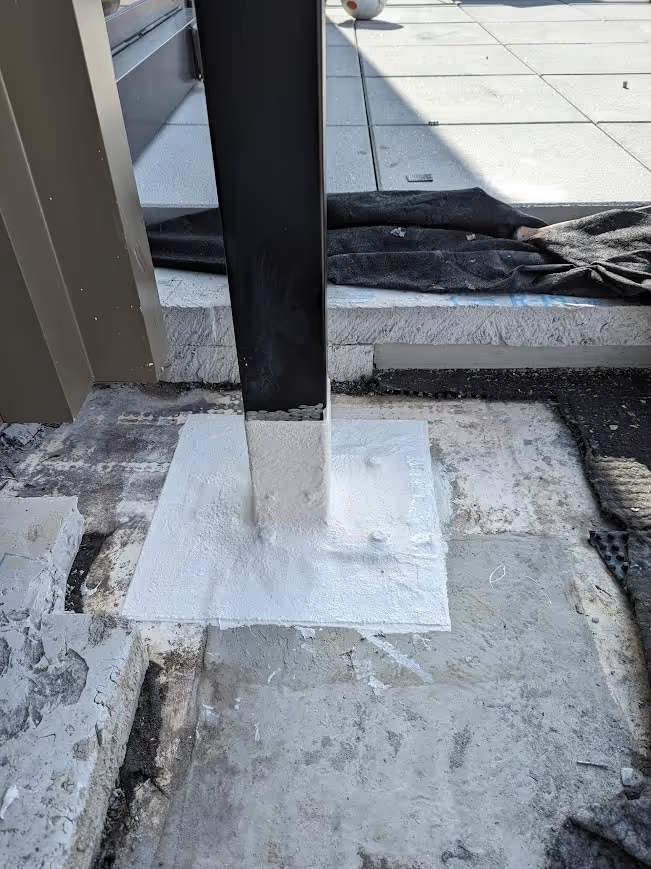
In these cases, larger base plates are used to spread the load across a wider surface area. This reduces stress on the slab and allows the system to perform without compromising the structure.
There are also situations where the existing conditions simply aren’t suitable. Identifying that early is critical—forcing a solution introduces unnecessary risk.
Waterproofing Is Not a Detail—It’s a Constraint
One of the most important aspects of rooftop fencing is waterproofing.
Any penetration into a roof deck introduces risk to the building envelope. For that reason, engineers and envelope consultants are often strict about how anchoring is handled.
The fence system must be integrated with the waterproofing strategy. It cannot be treated as a separate trade.
Post base systems need to allow for proper sealing around anchors so that membrane systems can be applied correctly. This has to be coordinated in advance, not figured out during installation.
Without that coordination, projects run into delays, redesigns, or long-term issues.
Where the System Fits (and Where It Doesn’t)
This type of aluminum fencing is well suited for rooftop applications such as:
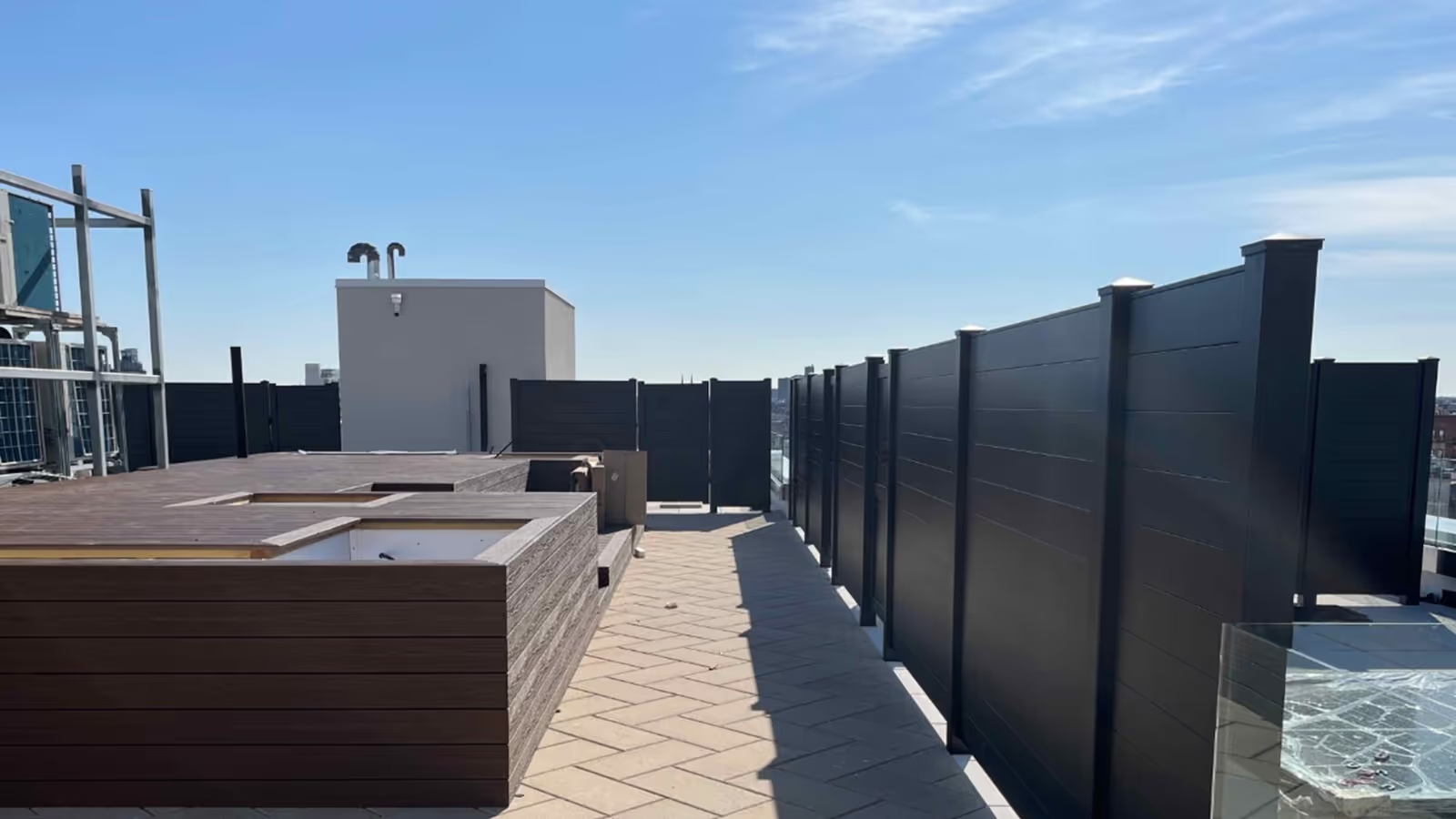
- Enclosing rooftop patios where a parapet already exists
- Divider fencing between rooftop spaces
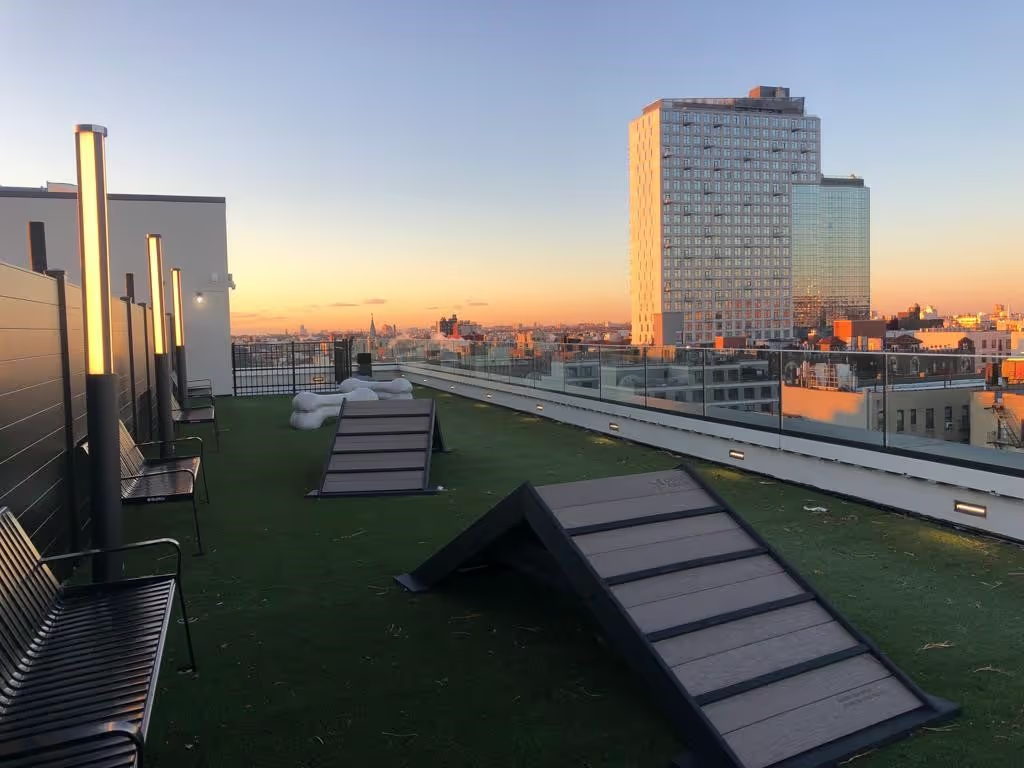
- Defining amenity areas
- Integrating with features like lighting or outdoor kitchens
The system is engineered to handle these conditions with the appropriate mounting and reinforcement strategies.
However, it’s important to be clear about limitations. These systems are not designed to function as primary guardrails at the exposed edge of a building where full guard load requirements apply.
That type of application involves a different level of engineering and should be addressed with a dedicated guardrail system.
Being clear about this upfront avoids misapplication and ensures the right solution is used.
If you’re working on a rooftop or elevated application, we can help review the structure, mounting conditions, and engineering requirements to ensure the system is designed correctly from the start.
Coating Performance in Elevated Environments
Rooftop installations place greater demand on the coating system.
At elevation, fencing is exposed to higher levels of UV radiation, more consistent wind exposure, and increased environmental wear. Over time, this accelerates breakdown in lower-quality finishes.
A properly controlled pretreatment and powder coating process is what allows the system to maintain its appearance under these conditions.
This is not something that is obvious at installation, but it becomes very noticeable over time.
How We Support Architects and Project Teams
The common thread across rooftop fencing projects is coordination.
Wind load, structural limitations, waterproofing, and installation methods all need to align. If one element is missed, it creates problems later.
We work with architects, engineers, and contractors early in the process to review project conditions and help determine the right approach. This includes advising on mounting strategies, post design, and how the system integrates with the building.
In some cases, that also means identifying when a project is not a fit.
That upfront clarity is what allows projects to move forward without unnecessary risk or rework.
Why Rooftop Fencing Requires a Different Approach
Rooftop fencing is not about selecting a product—it’s about designing a solution that works with the building.
When done correctly, it integrates cleanly, meets performance requirements, and holds up over time.
When it’s treated like a standard fence installation, the problems usually show up later.
That’s why these projects require a higher level of planning and coordination from the start.
If you’re working on a rooftop or elevated application, we can help review the structure, mounting conditions, and engineering requirements to ensure the system is designed correctly from the start.
Related Posts

Let’s Discuss Your Project
From early planning through installation, our team provides clear technical guidance and coordinated project support.