Engineered Fence Systems vs Traditional Fencing: What Actually Works on Real Projects
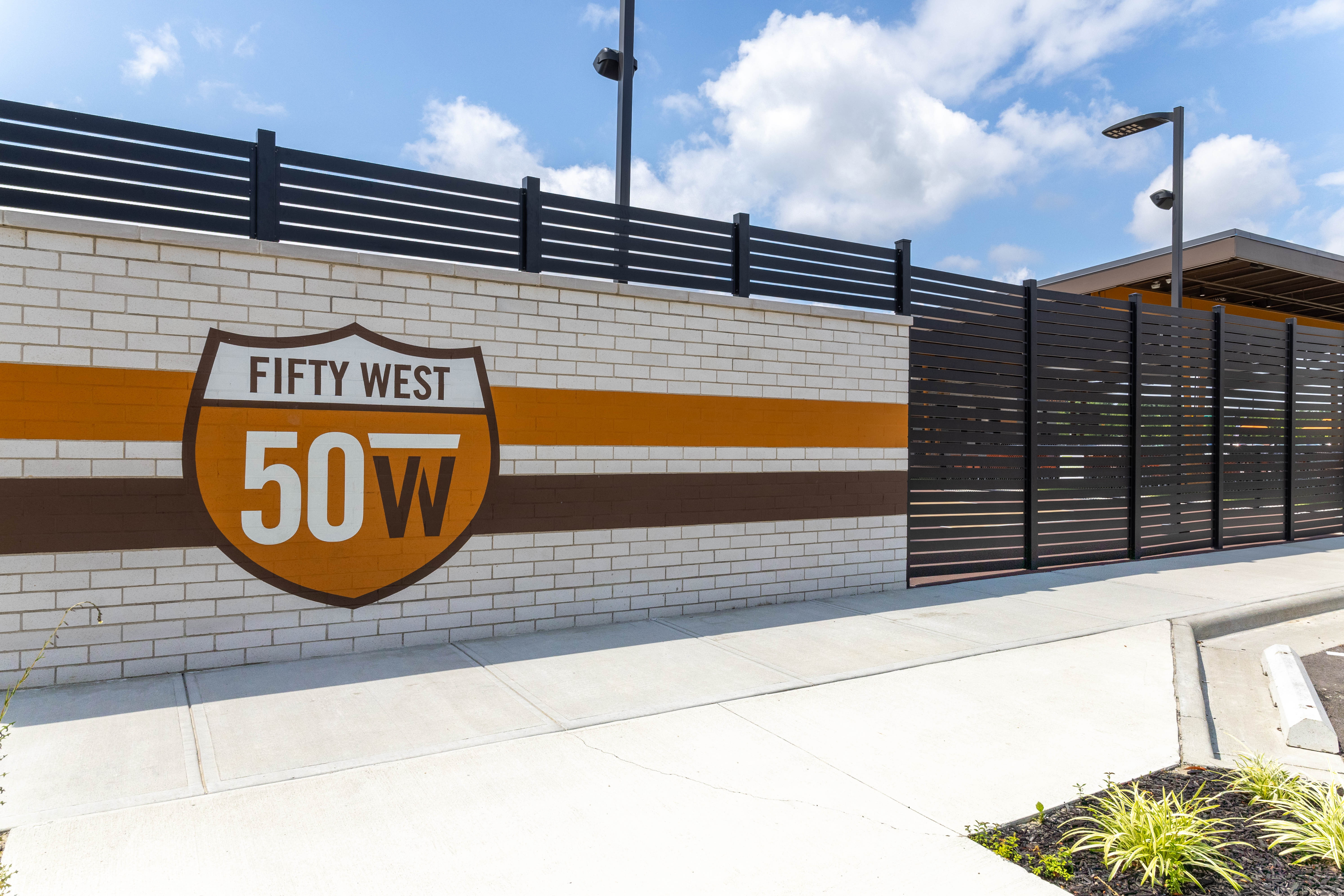
Most fencing is still approached the old way - designed loosely, figured out on-site, and assembled piece by piece in the field. That can work for small, simple jobs. It breaks down quickly on larger or higher-profile projects where consistency, speed, and performance actually matter.
What’s changed over the last few years is the shift toward engineered fence systems. Not just “modular” in the basic sense, but systems that are pre-designed, pre-assembled where it matters, and configurable enough to handle real-world site conditions without improvisation.
That shift is happening because the traditional approach introduces too much variability.
What an engineered fence system actually means
The term gets misunderstood. A lot of products are called modular, but still require full assembly on-site - slats, rails, frames, everything built by the installer. That’s not a system. That’s just a kit.
An engineered system is different. The critical components - panels and gates - are built in a controlled environment, not in the field. The remaining components are designed to fit together cleanly, with predictable connections and minimal adjustment required during installation.
Everything is thought through ahead of time: how it installs, how it performs under load, and how it adapts to different site conditions.
[INTERNAL LINK - Insert link to “Aluminum Fence Systems” or main product page here]
Why traditional fencing breaks down on real projects
Field-built fencing depends heavily on the installer. Every connection, alignment, and fastener is executed on-site, which introduces variability.
On larger commercial or multi-phase projects, that becomes a real issue. Multiple crews, changing timelines, and varying experience levels lead to inconsistent results. One section looks right, another slightly off. Gates don’t align the same way. Details get missed.
More importantly, performance becomes less predictable. Wind load resistance, reinforcement, and connection integrity all rely on field execution rather than a controlled system.
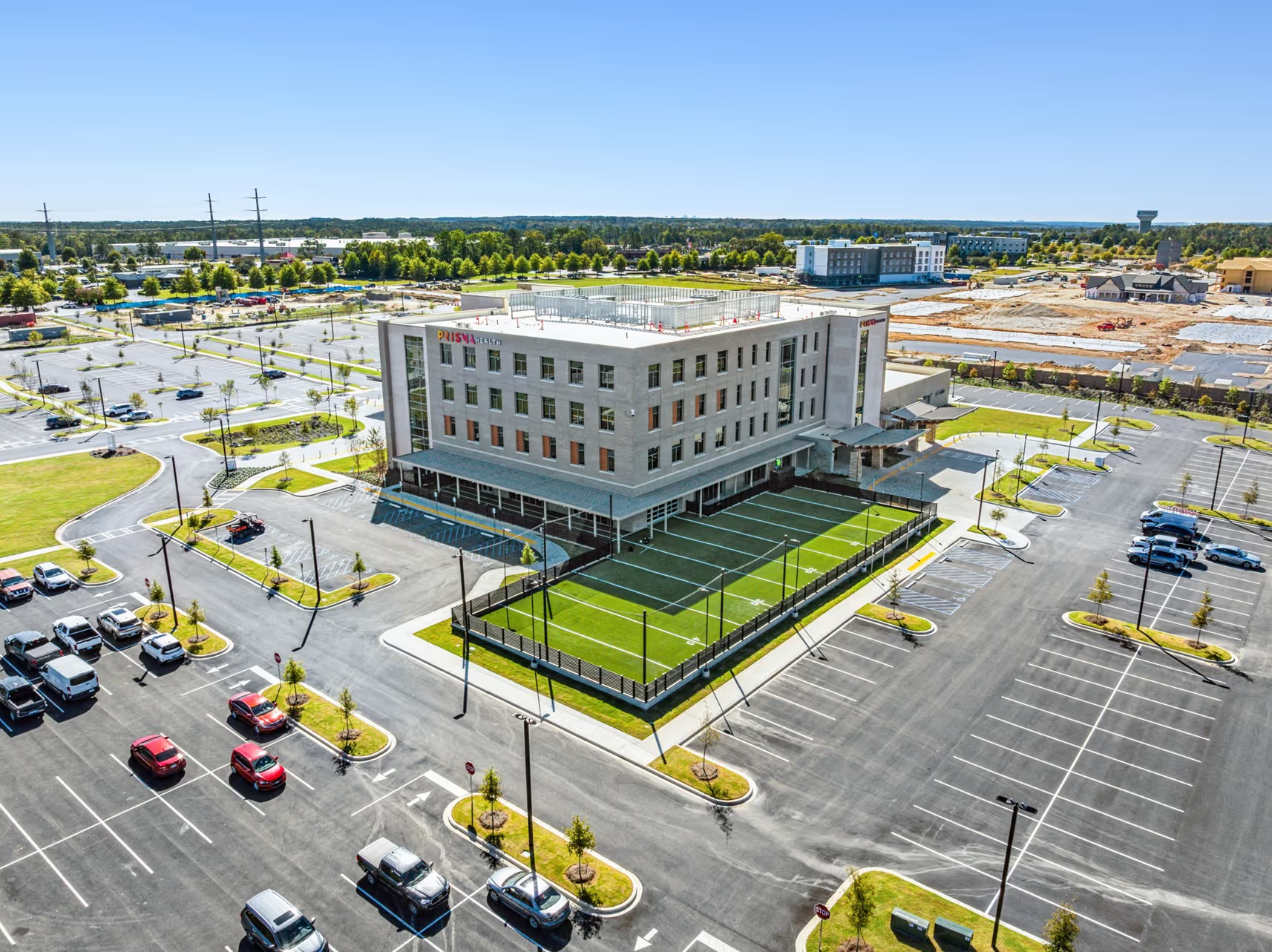
Why engineered systems perform better
The biggest advantage is consistency.
When panels and gates arrive pre-assembled, the most critical parts of the fence are already built correctly. Installation becomes placement and connection, not fabrication.
That leads to faster installs, more predictable timelines, and fewer issues during and after construction. It also allows large projects to maintain a consistent finish, even when multiple crews are involved over time.
From a contractor’s perspective, this simplifies everything. You’re working with defined components - posts, panels, gates, hardware - making it easier to quote, schedule, and execute without surprises.
Where flexibility still matters
A common misconception is that system-based fencing limits flexibility. In reality, a well-designed aluminum fence system allows for more controlled adaptability.
Real-world projects involve slopes, retaining walls, elevation changes, rooftop conditions, and existing structures.
Panels can be stacked to achieve additional height. Sections can be stepped or adjusted to follow grade. Posts can sleeve over different reinforcement methods depending on mounting conditions.
Because the system is built around repeatable components, these adjustments can be made without compromising consistency or structural performance.
Why architects and designers prefer this approach
From a specification standpoint, engineered fencing systems remove uncertainty.
Instead of designing from scratch, architects are working with a defined system that already accounts for performance, installation, and durability. This makes coordination with engineers more straightforward, especially on projects with wind load requirements, surface-mounted conditions, or structural constraints.
It also ensures that what gets installed reflects the design intent, rather than relying on interpretation in the field.
Where our system fits into this
Our system is designed to remove as much variability as possible while still allowing for real-world flexibility.
Panels and gates arrive pre-assembled, ensuring consistency and reducing installation risk. The post design allows for internal steel reinforcement where required - whether for increased height, higher wind loads, or more demanding mounting conditions.
Because the posts are hollow, they can accommodate a wide range of structural solutions without changing the external appearance.
The system is designed to work across different installation methods - in-ground, surface mount, or more complex applications - while maintaining a consistent, high-end finish.
And because everything is mechanically fastened rather than welded in the field, adjustments can be made without compromising the integrity of the system.
Why this approach is gaining traction
As commercial fencing projects and high-end residential builds become more complex, the tolerance for inconsistency continues to shrink.
Engineered systems bring predictability to installation, consistency to the finished product, and flexibility to handle real-world conditions without sacrificing performance.
That’s why more architects, contractors, and developers are moving in this direction.
Not because it’s modular, but because it performs reliably on real projects where failure isn’t an option.
If you’re planning a project and want to make sure the fence system is aligned with your site conditions, layout, and engineering requirements, our team can help review your plans and provide guidance early in the process.
Related Posts


Let’s Discuss Your Project
From early planning through installation, our team provides clear technical guidance and coordinated project support.