Where anti-climb considerations actually matter
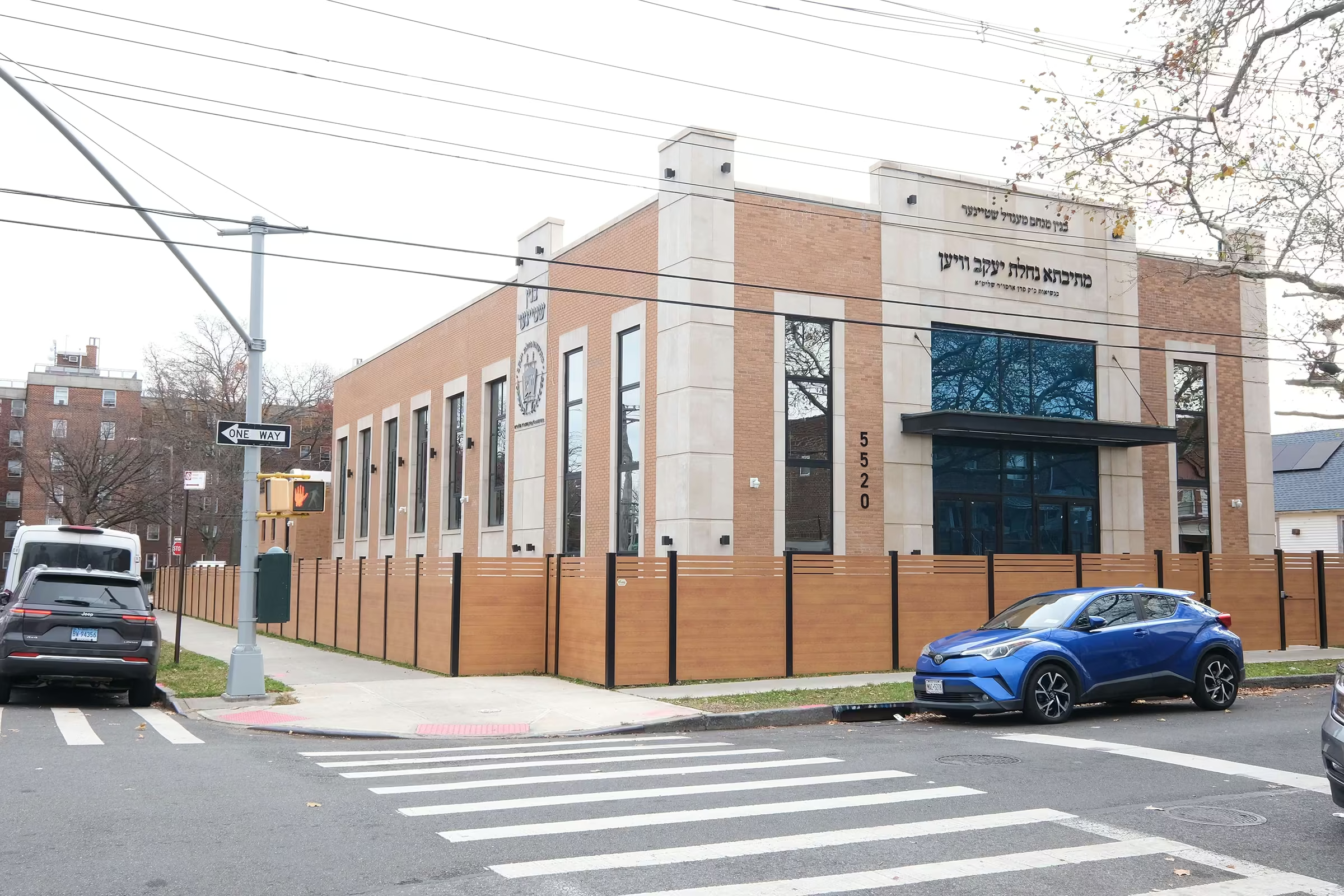
“Anti-climb fencing” is often associated with high-security or industrial environments. In reality, the need for climb resistance shows up in a much broader range of projects, especially where safety, liability, and controlled access are part of the design.
The challenge is not whether a fence should be climb-resistant. The challenge is how to achieve that without turning the project into something that feels overly aggressive or out of place.
On high-end residential properties, schools, and multi-use developments, security needs to be present, but it also needs to be subtle.
Where anti-climb considerations actually matter
Climb resistance becomes important anywhere access needs to be controlled without constant supervision.
This includes:
- schools and campuses
- multi-family developments
- public-facing amenity areas
- waterfront properties and HOA-managed communities
- high-end residential properties with privacy and security requirements
In these environments, the goal is not maximum deterrence at all costs. It’s controlled access that feels intentional and integrated into the design.
That’s a very different approach than traditional “security fencing.”
Understanding the difference between aggressive and passive security
Most people picture anti-climb fencing as something harsh - spikes, barbed wire, or industrial mesh systems designed to prevent access at all costs.
That level of deterrence has its place, but it doesn’t fit most architectural or residential environments.
There’s another category that’s more relevant for modern projects - passive anti-climb design.
This approach focuses on removing opportunities to climb rather than adding aggressive deterrents.
That includes:
- eliminating horizontal footholds
- reducing gaps or handholds
- using smooth, consistent surfaces
- maintaining clean vertical or tightly spaced profiles
The result is a fence that is difficult to scale, but doesn’t look like it’s trying to be.
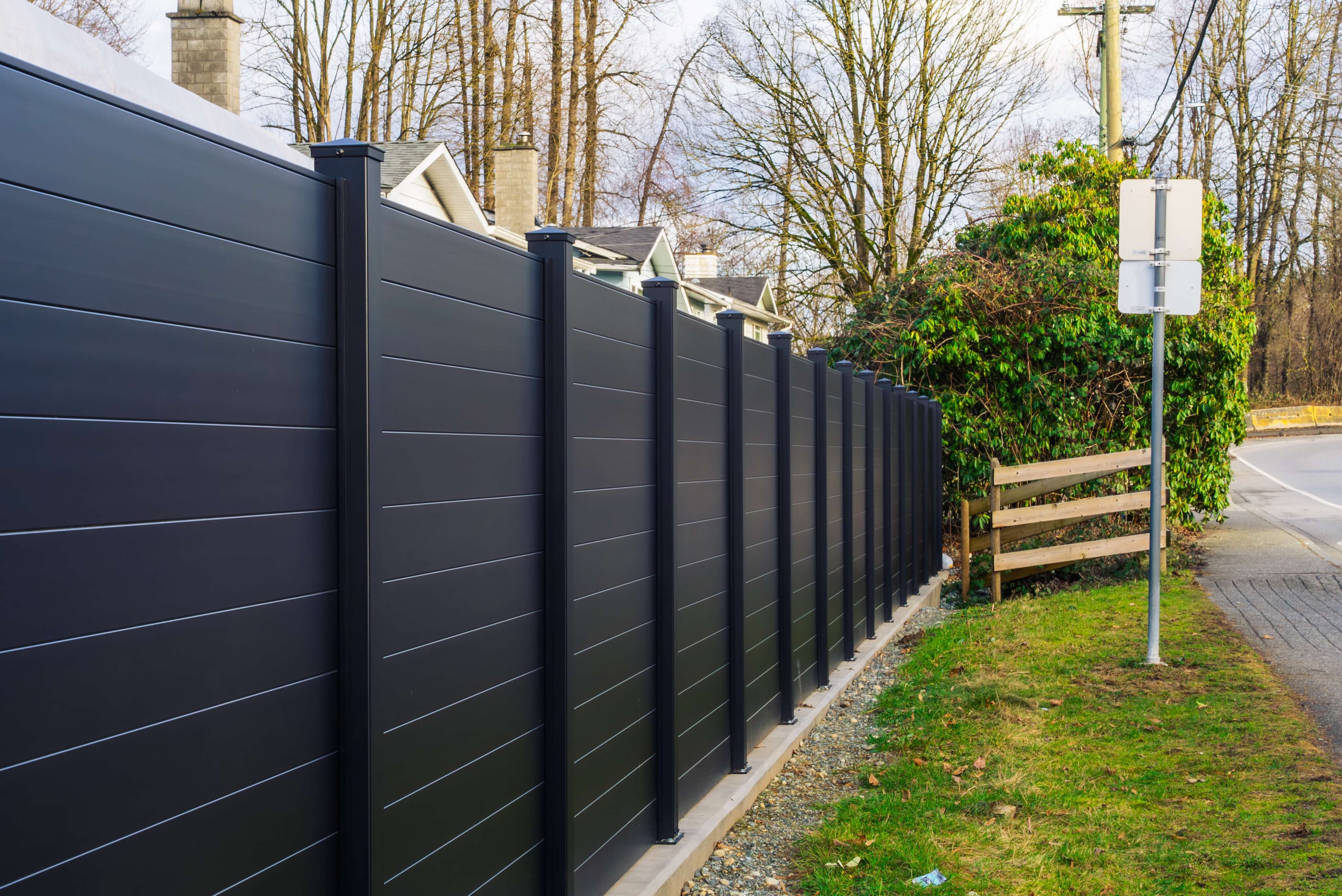
Why design and security need to work together
One of the biggest mistakes in fence selection is treating security and design as separate decisions.
When security is added after the fact, it usually shows. The fence becomes heavier, more aggressive, and disconnected from the rest of the project.
When climb resistance is built into the system from the start, it can be achieved without compromising the overall aesthetic.
This is especially important on:
- architect-led projects
- premium residential properties
- developments where visual consistency matters
In these cases, the fence is part of the architecture, not just a barrier.
Where most fencing systems fall short
Many fence systems are not designed with climb resistance in mind. They may unintentionally create:
- horizontal rails that act as ladders
- large gaps that provide footholds
- inconsistent spacing that makes climbing easier
In other cases, systems attempt to solve the problem by adding components that feel out of place, rather than addressing the design itself.
This leads to a disconnect between appearance and function.
Where system design makes the difference
Climb resistance is not a single feature. It’s the result of how the entire system is designed.
A well-designed aluminum fencing system can achieve this through:
- limited or controlled horizontal elements
- smooth finishes that don’t provide grip
- integrated gate systems that don’t introduce weak points
Because the system is engineered as a whole, these elements work together rather than being added later.
This allows the fence to maintain a clean, modern appearance while still performing from a security standpoint.
Why this matters on real projects
On commercial and high-end residential projects, security requirements are increasing, but so are expectations around design.
Clients want:
- controlled access
- reduced liability
- long-term durability
But they don’t want:
- industrial-looking fencing
- aggressive deterrents
- visual inconsistency
This is where passive anti-climb design becomes the preferred approach. It addresses the need for security without compromising the overall feel of the space.

Bringing it all together
Anti-climb fencing is not about making a space feel restricted. It’s about designing a system that manages access in a way that is both effective and appropriate for the environment.
On modern projects, the best solutions are the ones that don’t draw attention to themselves. They work quietly in the background, supporting both safety and design.
If you’re planning a project where access control and safety are important, our team can help review your layout and recommend a fencing approach that balances security, appearance, and long-term performance.
Related Posts
Let’s Discuss Your Project
From early planning through installation, our team provides clear technical guidance and coordinated project support.