Fire-Rated Fencing: Why It Matters for Modern Projects
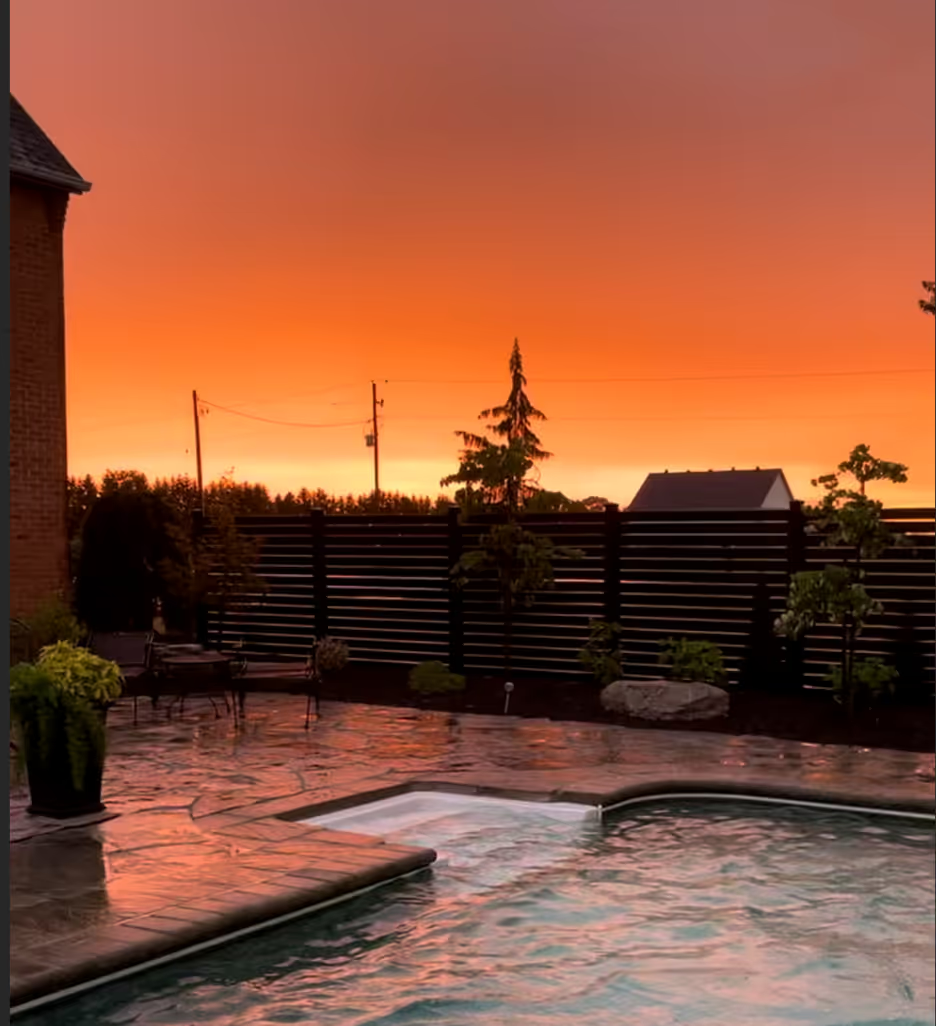
In wildfire-prone regions and high-risk commercial, architectural, and institutional environments, fire-rated materials are not optional, they are a requirement. Fencing, while often treated as a secondary element, can play a meaningful role in overall site safety and compliance.
Our system provides a non-combustible aluminum fencing solution designed to meet these demands without compromising design intent. It’s engineered for both performance and consistency, allowing it to integrate into modern projects while meeting strict fire safety requirements.
With ASTM E136 non-combustibility and ASTM E84 Class A fire ratings, the system is suited for applications where limiting flame spread and reducing fire risk are key considerations. Understanding what these ratings represent is important when evaluating materials for specification.
What ASTM E84 Means in Practice
ASTM E84 is a standardized test used to evaluate how materials behave when exposed to fire, specifically measuring flame spread and smoke development along a surface.
Materials are classified as Class A, B, or C based on performance. Class A represents the highest level of fire resistance, with the lowest flame spread and smoke generation during testing.
For aluminum fencing systems that meet ASTM E84 Class A, this means the material does not meaningfully contribute to flame propagation under test conditions. In practical terms, it helps limit how fire travels across surfaces, which is a critical factor in many commercial and multi-family environments.
Is Aluminum Fencing Combustible?
Aluminum is a non-combustible material. It does not ignite or sustain a flame under typical fire exposure conditions.
This makes it a strong choice for projects in wildfire-prone regions, particularly where building codes and planning guidelines emphasize fire-resistant materials. In environments such as the Wildland-Urban Interface (WUI), where development meets natural vegetation, this becomes a key design consideration.
Outdoor applications inherently carry higher exposure to risky conditions, heat, and ignition sources such as equipment or open flames all contribute. Using non-combustible materials in these settings helps reduce overall vulnerability.
For project teams, this is not just about compliance. It’s about selecting materials that continue to perform under conditions where failure is not an option.
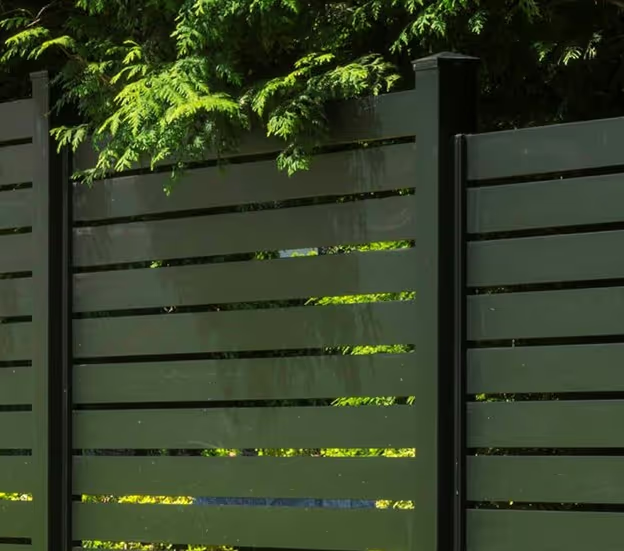
Why Fire Performance Should Be Considered Early
Fire performance should be evaluated alongside other system requirements such as wind load, mounting conditions, and long-term durability.
When considered early, it allows the fencing system to align with broader building strategies for safety and compliance. When overlooked, it can create limitations later in the design process or require substitutions that impact both cost and design intent.
Our team works with project stakeholders early to ensure the system aligns with both code requirements and real-world conditions, reducing risk and avoiding last-minute changes.
Why This Matters
On high-risk or regulated projects, fire performance is not a feature—it is part of the specification.
A fencing system that meets ASTM E84 Class A and ASTM E136 standards provides confidence that the material will not contribute to fire spread and will perform consistently over time. Combined with the inherent durability of aluminum, this creates a solution that aligns with both safety requirements and long-term project goals.
For architects, developers, and project teams working in fire-sensitive environments, that level of reliability is essential.
If you’re working on a project with specific wind load, mounting, or design requirements, contact us so we can support with system recommendations and help ensure everything is aligned with engineering and specification needs.
Related Posts


Let’s Discuss Your Project
From early planning through installation, our team provides clear technical guidance and coordinated project support.