Modern Fence Design Ideas That Support Architectural Continuity
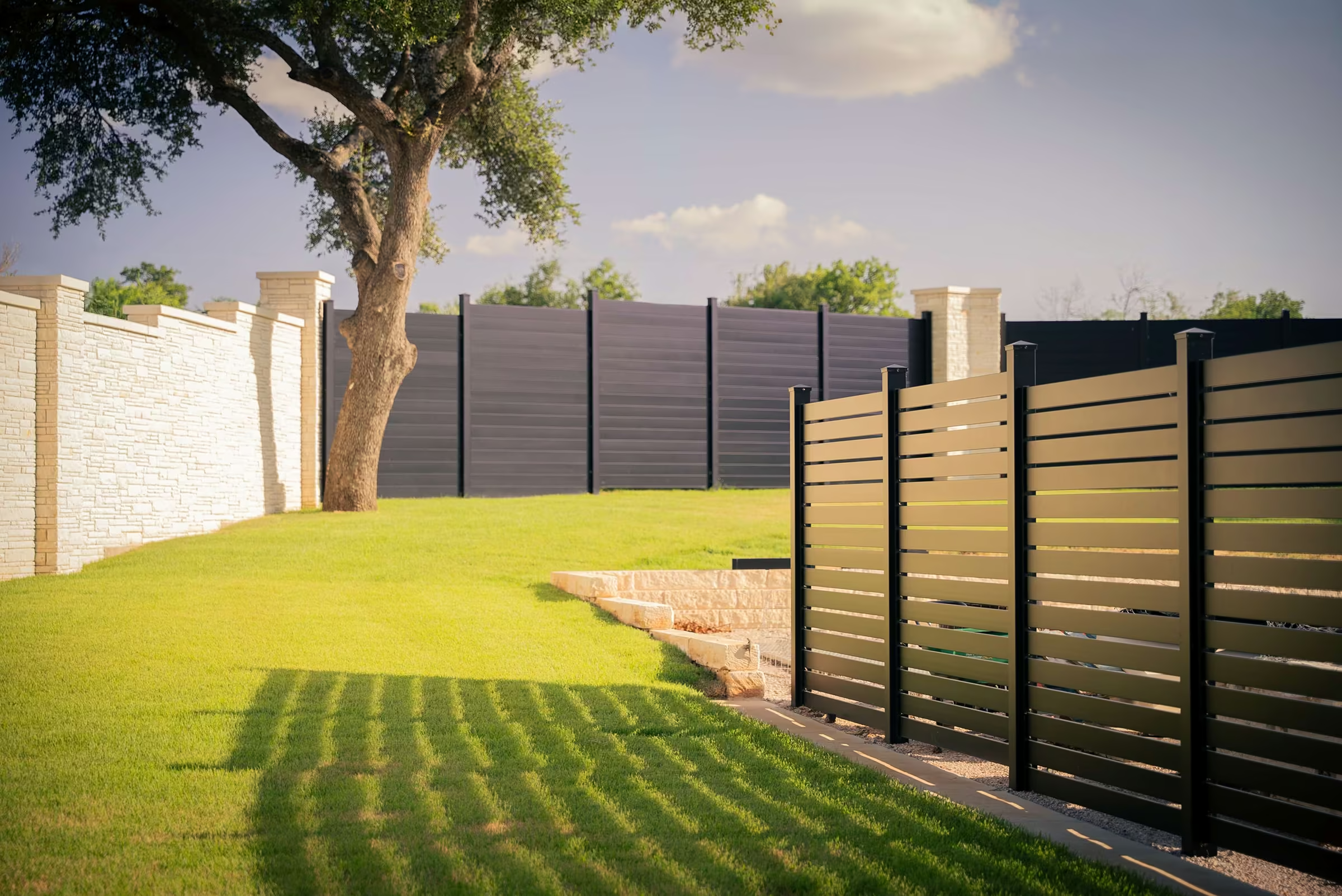
Most modern fence design ideas online are just photo galleries. They show a nice fence, but they don’t explain why it works, what type of project it belongs on, or whether it will still look right years later.
For architects, designers, and high-end property owners, the better question is not “what fence looks good?” It is “does this fence support the architecture?” That is where modern fencing becomes interesting. The fence is no longer just a boundary. On the right project, it becomes part of the design language of the property.
What "Modern Fence Design" Actually Means in 2026
Modern fence design is not about being trendy. It is about clean geometry, controlled lines, consistent finishes, and fewer unnecessary details. That usually means horizontal or precisely vertical profiles, matte or low-sheen finishes, limited visible hardware, and a color palette that works with the building instead of competing with it.
Traditional fence styles often rely on decoration - pickets, lattice, caps, trim, shadowbox patterns. Those can work in the right setting, but they rarely support modern architecture. They tend to add visual noise. A good modern fence does the opposite. It simplifies the edge of the property and defines space without cluttering it.
Material also matters. Wood can look great at first, but it moves, twists, grays, and needs maintenance. Vinyl can look too plastic and often struggles to deliver the precision modern design requires. Steel can be strong, but corrosion becomes a real concern if the coating is compromised. Aluminum works well for modern design because it can be engineered into clean, consistent profiles and finished in a way that supports long-term appearance.
Architectural Continuity: The Principle Behind Good Fence Design
The best fencing does not feel like it was added after everything else was finished. It feels like it belongs. That is architectural continuity.
This means the fence lines, proportions, materials, and colors relate back to the building and the site. The fence should extend the architecture, not interrupt it. Alignment matters first - sightlines, building edges, patios, walkways, retaining walls, and landscape transitions should all be considered. When the lines are right, the whole project feels more intentional.
Proportion matters too. Fence height, slat width, post spacing, gate size, and panel rhythm all affect how the system reads. A fence can technically work but still feel wrong if the proportions do not suit the building. Palette is the final piece. The finish should connect with other exterior materials - window frames, railings, cladding, concrete, stone, wood, or landscape elements. This is why fencing should be considered early, not treated as a product picked at the end.
Modern Fence Design Idea #1: Horizontal Slat in Matte Black
Horizontal slat fencing is one of the strongest modern fence styles because it naturally works with contemporary architecture. It emphasizes length, creates clean movement across the site, and pairs especially well with modern ranch properties, mid-century inspired homes, hospitality spaces, and commercial courtyards.
A black aluminum fence is especially effective because it tends to recede visually. It defines the space without trying to become the main feature. Landscaping, architecture, and lighting can stand out against it. This is one of the reasons black fencing works so well on high-end projects - it feels deliberate, not decorative.
For projects where privacy is not the main goal, a horizontal screen layout can create separation while still allowing air, light, and partial visibility. For stronger separation, tighter spacing can create more privacy while keeping the same clean design language.
Modern Fence Design Idea #2: Full Privacy with Clean Vertical Geometry
Horizontal is not always the right answer. On taller, narrower buildings, urban infill projects, courtyards, and service areas, vertical geometry can make more sense. A vertical privacy fence can support the architecture without making the site feel stretched or overly horizontal.
This works well where full privacy is required but the design still needs to stay clean. The goal is enclosure without heaviness. That means avoiding unnecessary trim, mixed materials that age differently, or panel styles that fight the architecture. A contemporary privacy fence should feel controlled and intentional, not like a basic privacy wall that was added after the project was already designed.
Modern Fence Design Idea #3: Mixed-Density Panels for Layered Privacy
Not every part of a project needs the same level of privacy. This is where mixed-density design becomes useful. You might use full privacy fencing around a patio, pool, outdoor dining area, or amenity space, then transition into a screen panel along a side yard, walkway, or landscape edge.
This creates a more thoughtful layout. Instead of forcing one fence type across the entire property, the fence responds to how each space is actually used. On commercial and high-end residential projects, that matters. The front entry may need openness. The patio may need privacy. The service area may need screening. The perimeter may need controlled access. A good system lets you handle all of that without changing materials or making the project feel patched together.
Modern Fence Design Idea #4: Woodgrain Aluminum for Warmth Without Upkeep
Some projects need warmth. Not every modern design should be black, white, or grey. Woodgrain aluminum can be a strong option when the project needs a softer, more natural tone but cannot afford the maintenance issues that come with real wood.
This is especially useful in high-end residential, hospitality, rooftop, and courtyard settings. You get the warmth of a wood-look finish with the stability of aluminum. Real wood has character, but it also moves, fades, cracks, and needs regular upkeep. On a commercial or high-profile residential project, that maintenance cycle becomes a real issue. Woodgrain aluminum gives the designer a way to bring warmth into the project without accepting the long-term inconsistency of wood.
Modern Fence Design Idea #5: Open-View Profiles for Sightlines
Not every fence needs to be private. Some of the best contemporary fence ideas are about defining a space without closing it off. Open-view profiles can be used around front yards, gardens, pool areas, commercial entries, or areas where visibility is important.
This is especially relevant where security and supervision matter. Schools, campuses, multi-family projects, and public-facing sites often need boundaries that still allow sightlines. An open aluminum slat fence or vertical picket layout can give the project structure without making the space feel boxed in. It can also keep the fence aligned with the architecture rather than turning it into a visual obstruction.
Modern Fence Design Idea #6: Long, Uninterrupted Runs for Estate Properties
Large properties expose weak fence design very quickly. On a short residential run, inconsistencies may not stand out. On an estate property, commercial frontage, or HOA development, those same issues repeat over hundreds of feet.
This is where long, uninterrupted runs matter. The fence needs to stay visually consistent. Posts need to align properly. Panels need to hold their proportions. Gates need to match the rest of the system. Wood and vinyl struggle with this over time because movement, fading, and inconsistent aging become more noticeable at scale. A properly designed aluminum system holds alignment and finish consistency much better, which matters when the fence is visible from the street, shared amenities, or across a long property edge.
Modern Fence Design Idea #7: Custom Heights for Slope and Privacy Layering
Sloped terrain is one of the fastest ways to make a fence look wrong. If the system is not designed to adapt, the installer is forced to improvise. That usually leads to awkward gaps, uneven lines, exposed cuts, or a fence that looks like it was forced onto the site.
There are a few ways to handle slope. The fence can be stair-stepped, racked with the grade, or cut so the bottom follows the slope while the top stays level. The right method depends on the site and the design intent. This is where a configurable aluminum system has a major advantage. Panels can be adjusted, cut, stacked, or modified in a way that still looks finished. Cut ends can be covered with channels, and the system can keep its clean appearance even when the site is not flat. For architects, this matters because slope should not force the project into a less refined fence design.
Contemporary Fence Ideas That Read as Architecture
The best results come when architectural fence design is treated as part of the design package, not a late-stage procurement item. Start by matching the fence geometry to the architecture. If the building has strong horizontal lines, a horizontal slat fence may make sense. If the building is more vertical or narrow, a vertical privacy layout may be better.
Next, coordinate finish with the rest of the project. Fence color should be reviewed alongside window frames, railings, gates, cladding, paving, and other exterior materials. Black may be the right choice. White or woodgrain may be better if heat, softness, or warmth are concerns. Post placement also needs to be coordinated early, especially around paving, retaining walls, planting beds, stairs, and gates. If this is left too late, the fence may technically fit but still look disconnected.
Finally, confirm the practical requirements. Height, wind load, privacy, gate access, slope, surface mounting, and local approvals all need to be understood before the system is specified. For HOA-controlled or design-review environments, it helps to present the fence as a complete system with clear visuals, finish information, and long-term maintenance advantages.
FREQUENTLY ASKED QUESTIONS
What makes a fence design modern?
Modern fence design is usually defined by clean geometry, simple profiles, limited visible hardware, and a finish that supports the architecture. Horizontal slats, precise vertical lines, matte finishes, and controlled proportions are all common features.
Are horizontal slat fences a passing trend?
No. Horizontal slat fencing has been used in contemporary architecture for many years because it supports clean lines and simplified geometry. It feels architectural rather than decorative, which gives it better long-term design value than trend-based ornamental styles.
Can a modern fence work with a traditional or transitional home?
Yes, but it has to be handled carefully. Softer colors, vertical proportions, or woodgrain finishes can help bridge the gap between traditional architecture and modern fencing. The goal is to make the fence feel intentional, not imposed.
What height is right for a modern privacy fence?
For full privacy, 6' to 8' is common, with 7' often working well for residential projects. Commercial and institutional projects may require taller systems depending on the use, sightlines, and code requirements. Local rules and HOA guidelines should always be confirmed.
What are the best contemporary fence ideas for high-end properties?
The best contemporary fence ideas usually focus on clean lines, long-term finish quality, and consistency with the architecture. Black aluminum panels, woodgrain aluminum, horizontal slats, full privacy layouts, and open-view profiles can all work depending on the project.
Why modern fence design needs the right system
Modern fence design ideas are not just a style menu. The right design depends on what the project needs - privacy, openness, warmth, security, slope handling, or long uninterrupted runs. Each of those needs requires a system that can execute cleanly.
This is where fencing becomes more than a boundary. It becomes part of the architecture. If you are working on a project where the fence needs to look intentional, perform properly, and stay consistent over time, our team can help review the design direction and recommend the right system for the application.
Related Posts
Let’s Discuss Your Project
From early planning through installation, our team provides clear technical guidance and coordinated project support.