What Is a Shadow Box Fence? Pros, Cons, and the Modern Aluminum Alternative
What is a shadow box fence? Traditionally, it is a wood fence made with vertical boards installed on alternating sides of a central rail. The boards overlap the sightlines from most angles while leaving controlled gaps for airflow. This gives both sides of the fence a finished appearance and creates more privacy than an open fence, without making the fence completely solid.
It is a popular design because it has more depth than a basic wood privacy fence. The alternating boards create shadow lines and a layered appearance that can work with traditional, transitional, and some modern properties.
The downside is that the design depends on wood boards staying straight and evenly spaced. Over time, those boards can twist, shrink, warp, and move. Once that happens, the clean pattern that made the fence attractive in the first place starts to disappear.
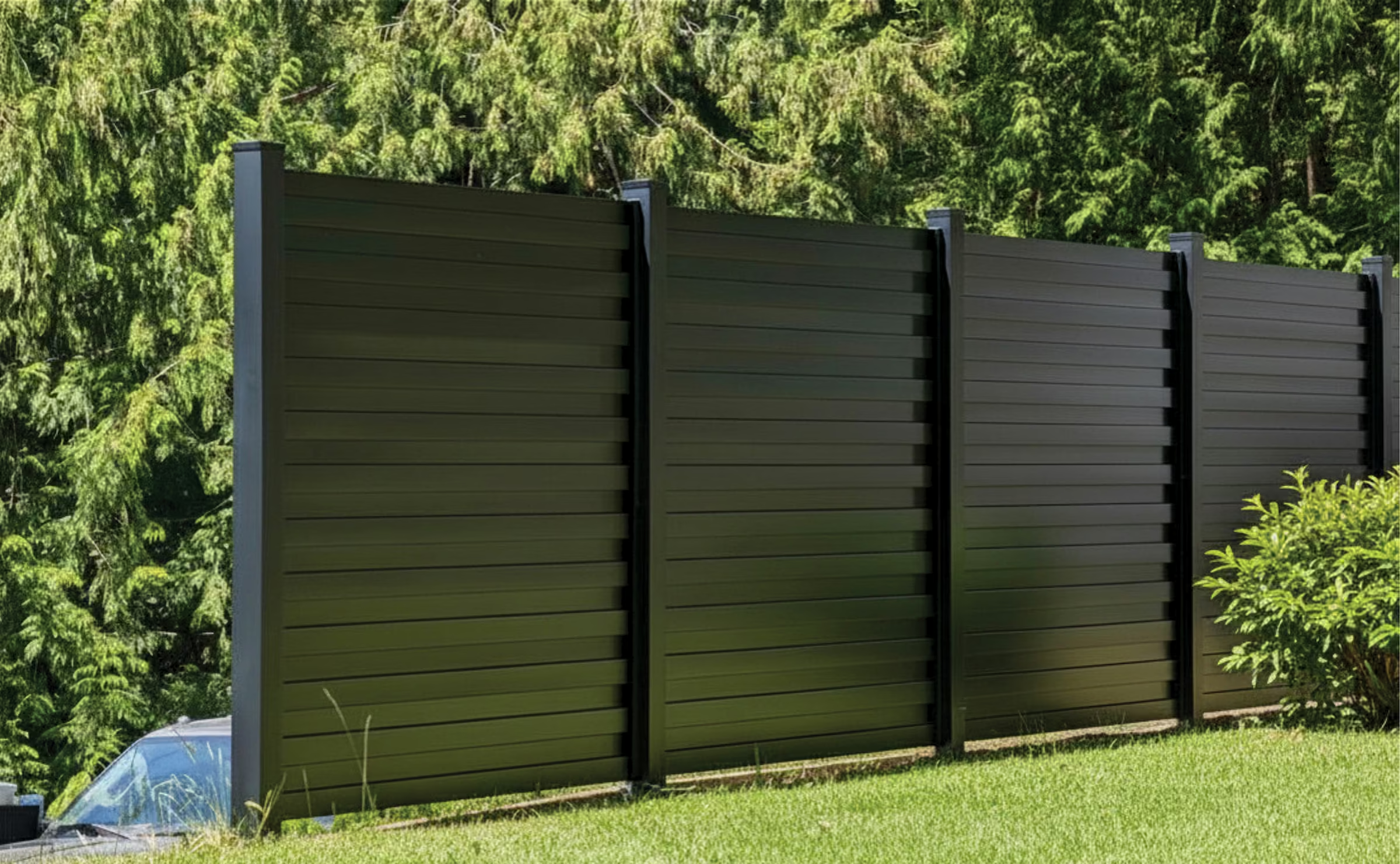
SLEEKFENCE has taken the layered appearance of a traditional shadow box fence and reworked it into something very different. Shadora is a solid aluminum privacy system with no gaps between the slats and no airflow through the panel. It is available in horizontal and vertical versions and uses contoured aluminum slat to create strength, privacy, and a deeper, more timeless look.
How a Shadow Box Fence Works
To understand the design, it helps to look at how a traditional shadow box wood fence is assembled.
A central rail runs between the posts, and vertical boards are fastened on alternating sides of that rail. One board is mounted on one side, the next is mounted on the opposite side, and the pattern continues along the fence line. The boards are spaced so they overlap the direct line of sight while still leaving room for air to pass through.
This is what makes a traditional shadow box fence a semi-private fence rather than a full privacy fence. When viewed straight on, it can appear mostly closed. When viewed from an angle, gaps may become visible.
The design is sometimes confused with a board-on-board fence, but they are not the same. A board-on-board fence usually places overlapping boards on the same side of the rails, creating a more solid barrier. A traditional shadow box fence alternates the boards on opposite sides.
The advantage of the shadow box layout is that both neighbors see a finished face. There is no obvious “good side” and “bad side.” It also reduces some wind pressure compared with a fully solid panel because air can pass through the controlled openings.
That airflow does not apply to the SLEEKFENCE version. Shadora uses the shadow box appearance as a design influence, but the panel is completely solid. The slats fit together and eliminate the gaps normally found in wood shadow box fencing. Wind performance comes from engineering the panel, posts, fasteners, mounting method, and foundation for the project - not from allowing air to pass through the fence.
If you're comparing privacy fence options, our guide to Specifying the Right System explains how to evaluate project requirements and select the most appropriate solution.
Shadow Box Fence Pros and Cons
The shadow box fence pros and cons depend heavily on the material and what the owner expects from the finished project.
A traditional wood shadow box fence can look excellent when it is new. The alternating boards create visual depth, both sides look finished, and the gaps reduce the wall-like feeling of a standard solid fence. It can be a good fit for shared property lines, side yards, and properties where the owner wants privacy without installing a completely closed barrier.
Wood also gives the design a natural appearance that works well with traditional homes and landscaped properties. For many people, that is still the main reason to choose it.
The long-term issue is movement. Every board is an individual piece of wood exposed to rain, heat, moisture, UV, and temperature changes. Boards shrink at different rates. Some twist. Some cup. Some move away from the rail. Once the alternating pattern starts moving, the gaps become uneven and the overall fence begins to look less controlled.
The two-sided layout can also make maintenance more difficult. Both sides need to be cleaned, stained, or sealed, and there are more edges and overlapping surfaces to work around. If staining is delayed, the boards can weather at different rates, making the fence look inconsistent.
A wood shadow box style fence is therefore a trade-off. It offers a strong appearance and useful airflow, but it comes with the normal maintenance and movement problems of wood.
The Modern Aluminum Shadow Box Fence Alternative
The SLEEKFENCE Shadora aluminum shadow box fence is not intended to copy the traditional construction method. It takes the layered visual idea and rebuilds it as a modern aluminum privacy fence.
The main difference is the slat itself. Shadora uses a new contoured aluminum slat profile. These slats fit together to create a strong, continuous panel with no direct sightlines and no gaps between the slats.
The contoured slats create depth and shadow across the fence face. This gives the panel a more layered appearance than a flat modern privacy panel. It feels more classic and timeless, while still looking clean and architectural.
The system is available in both horizontal and vertical configurations. Shadora Horizontal Privacy creates longer shadow lines and works well on wider properties, commercial sites, and modern landscape designs. Shadora Vertical Privacy offers a more familiar rhythm and complements taller buildings, traditional architecture, and contemporary projects seeking a vertical design expression.
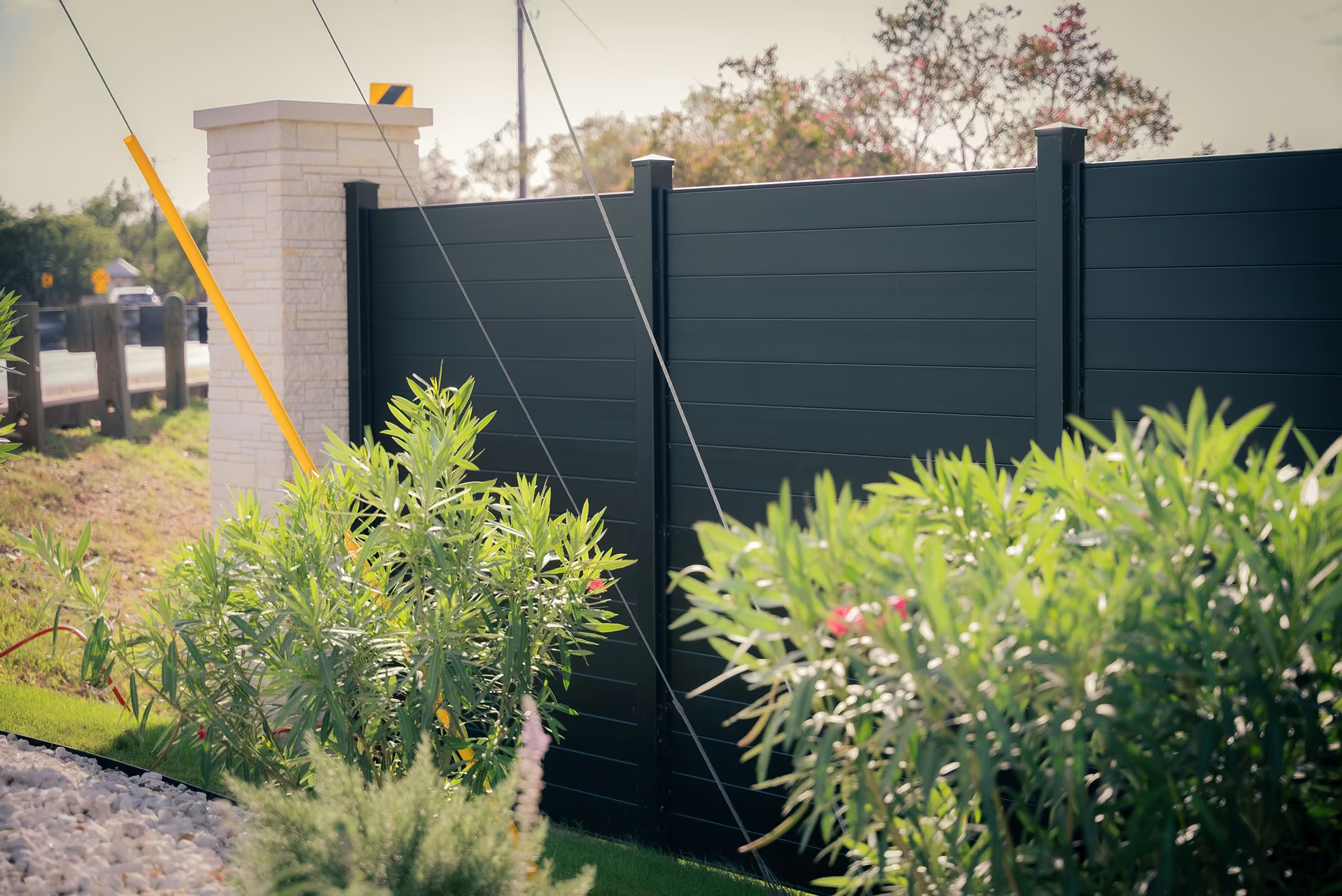
Unlike a traditional shadow box fence, Shadora provides complete privacy. It does not depend on overlapping sightlines or viewing angles. The panel is solid from both sides.
To explore broader trends in architectural privacy fencing, see Modern Fencing in 2026: Clean, Sleek, and Smart.
A Value-Engineered Solid Privacy System
One of the key engineering advantages of Shadora is that it uses approximately 40% less aluminum than our original full privacy panel design.
That makes it our value-engineered privacy option. It allows us to offer a solid aluminum system at a price that competes much more directly with composite fencing products that have a similar layered appearance.
Using less aluminum does not mean lowering the coating quality, shortening the warranty, or accepting a shorter expected lifespan. Shadora uses the same powder-coating standards and receives the same warranty protection as the rest of the system.
The trade-off is wind-load capacity. The lighter profile does not have the same engineering range as our heavier solid privacy panel, so the project location, fence height, exposure, post system, and wind zone need to be reviewed before the product is specified.
That is not unusual. Every fence system has limits. The important thing is identifying those limits before the project reaches the jobsite.
For many locations, Shadora will be a strong fit. For higher wind zones, rooftop projects, or very exposed applications, our heavier privacy system may still be the better option. Our team can review the project address and help determine the most suitable system.
Where a Shadow Box Fence Fits
A traditional shadow box fence works well where the owner wants a finished appearance on both sides and does not require complete privacy. Shared residential boundaries, side yards, garden edges, and lower-risk wind environments are common examples.
Shadora is intended for a wider range of privacy applications. Because the panels are fully solid, it can be used around commercial properties, multi-family developments, HOA communities, hospitality spaces, schools, equipment areas, estate properties, and high-end residences.
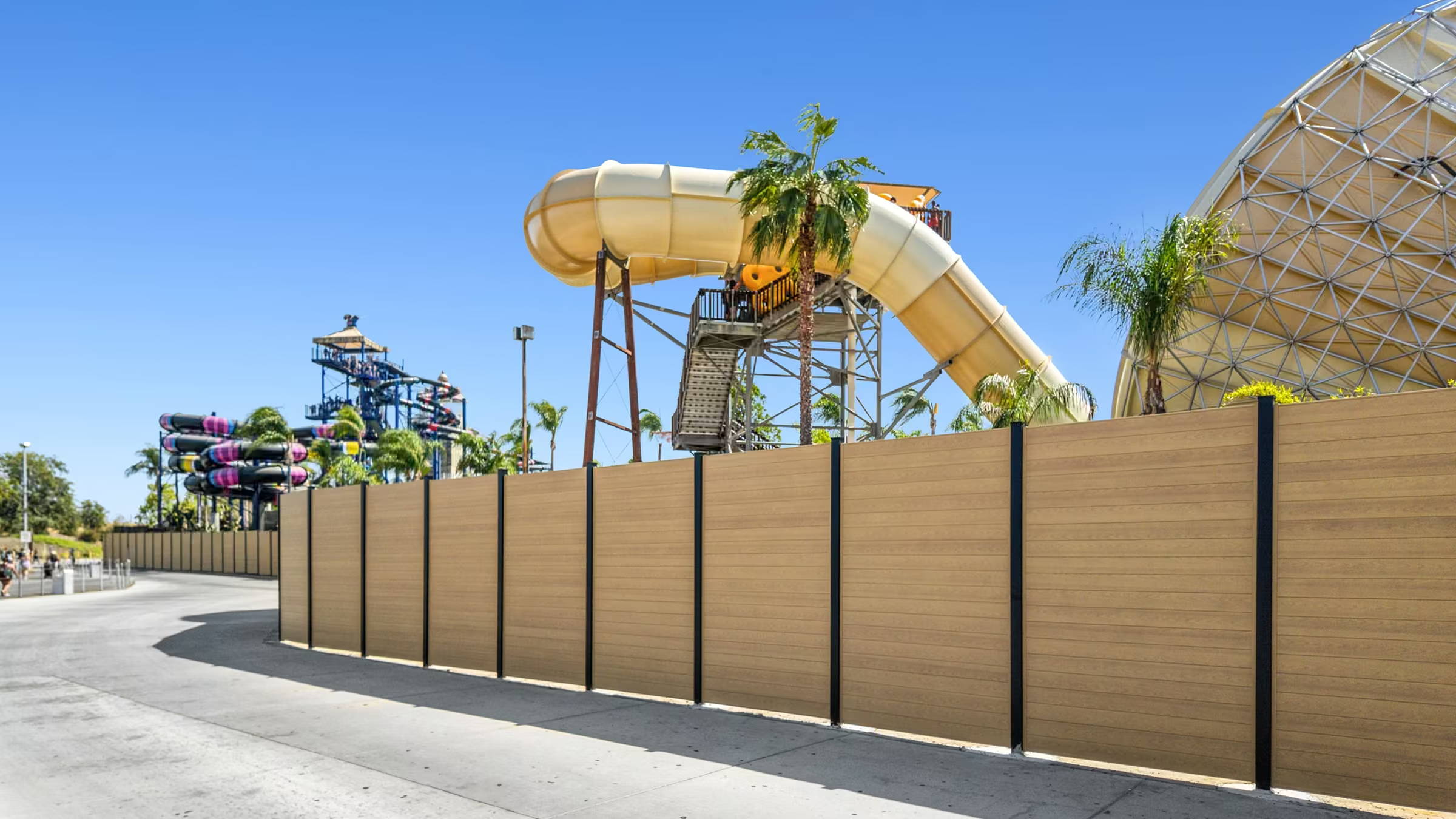
It is particularly well suited to large projects where the fence needs to cover long distances without looking flat or repetitive. The contoured slats create depth and visual interest, while the factory-finished aluminum delivers clean, consistent lines throughout the project.
The system can also be designed for over-height applications. Depending on the wind zone and installation conditions, Shadora may be used at heights of 8 feet, 10 feet, or potentially other project-specific configurations. Taller fencing must always be reviewed carefully because wind pressure and leverage increase as the fence gets higher.
For owners who want the layered look of composite or shadow box wood fencing but need full privacy and commercial-grade longevity, Shadora fills a useful space in the market.
For projects where a cleaner, more minimalist aesthetic is preferred, our Lineara Full Privacy system offers an alternative approach to complete privacy.
Cost and Lifecycle Considerations
Traditional wood shadow box fencing will usually cost less upfront than an aluminum system. For a smaller residential project where the owner enjoys real wood and accepts the maintenance, that may be the right decision.
The comparison changes on larger projects or properties that need to look consistent for a long time. Wood requires cleaning, staining, sealing, board replacement, and eventual post or panel replacement. The alternating layout also makes the system more difficult to maintain than a basic flat fence.
Composite fencing removes some of the wood maintenance, but it has its own limitations. Composite materials can expand, fade, absorb moisture, crack, or change appearance over time depending on the product and climate. Many systems also rely on aluminum or steel posts and channels for their structural support.
SLEEKFENCE Shadora was developed to compete more directly with premium composite fencing on price while offering the longer service life and stability of powder-coated aluminum. It provides the layered look many owners like without relying on wood fibers, plastic slats, or mixed materials that age at different rates.
The better question is not just what the fence costs today. It is how the fence will look and perform after years of weather, maintenance, and daily exposure.
Frequently Asked Questions
What is the difference between a shadow box fence and a privacy fence?
A traditional shadow box fence uses alternating boards with gaps that block most direct sightlines while allowing airflow. A full privacy fence has no openings and creates a completely closed barrier.
Shadora combines the layered shadow box appearance with full privacy. It has no gaps between the contoured aluminum slats.
Are aluminum shadow box fences as private as wood ones?
The Shadora aluminum shadow box fence is more private than a traditional wood shadow box fence because it is completely solid. Traditional shadow box designs normally have gaps between alternating boards, while Shadora has no direct sightlines.
How much gap is normal on a shadow box fence?
The gap depends on the board width, overlap, and desired level of privacy. Traditional wood designs need enough spacing for the alternating boards to create airflow without leaving wide open sightlines.
Shadora does not use a gap. Its contoured aluminum slats fit together to create a fully solid panel.
Does a shadow box fence look finished on both sides?
Yes. One of the main benefits of a traditional shadow box fence is that both sides have a finished appearance because the boards alternate across the central rails.
Shadora also creates a finished, intentional appearance from both sides, but it does so with an engineered aluminum panel rather than alternating wood boards.
Can Shadora be used in high-wind areas?
It depends on the location, fence height, exposure, installation method, and required design wind load. Shadora is engineered as a solid privacy fence, but it has different wind-load limits from our heavier privacy system. Our team reviews each project's requirements before recommending the most appropriate fence system.
Why the shadow box look is evolving
What is a shadow box fence? Traditionally, it is a two-sided wood fence that uses alternating boards to create partial privacy, depth, and airflow.
That design still has a place, but it is not the only way to achieve the look anymore.
SLEEKFENCE Shadora takes the layered visual character of a shadow box fence and turns it into a solid aluminum privacy system. The contoured slats provide complete privacy, clean lines, and a more timeless appearance. The vertical and horizontal options allow the system to work across a wide range of architectural styles.
It is also a practical value-engineered option. By using approximately 40% less aluminum than our heavier privacy design, Shadora competes more directly with composite products while keeping the coating quality, warranty, and long-term advantages of powder-coated aluminum.
If you are planning a project and want to know whether Shadora is suitable for the height, wind zone, and site conditions, our team can review the application and recommend the right privacy system.
Related Posts
Let’s Discuss Your Project
From early planning through installation, our team provides clear technical guidance and coordinated project support.