Hurricane-Resistant Fence Systems: Engineered for High-Wind Performance
In hurricane-prone regions, fencing must do more than define boundaries—it needs to perform under sustained and extreme wind loads. From coastal developments to elevated commercial applications, the fence becomes part of the building system and must be designed accordingly.
A hurricane-resistant fence is not defined by a single feature. It’s the result of how the entire system is designed, connected, and anchored.
Our system is built around this reality. It uses high-strength aluminum and a fully modular approach where every connection point is mechanically fastened. Unlike slotted or gravity-based systems, this creates a unified structure that behaves predictably under load and reduces the risk of progressive failure.
Strength Starts Within the Profile
A key part of performance comes from what’s inside the material.
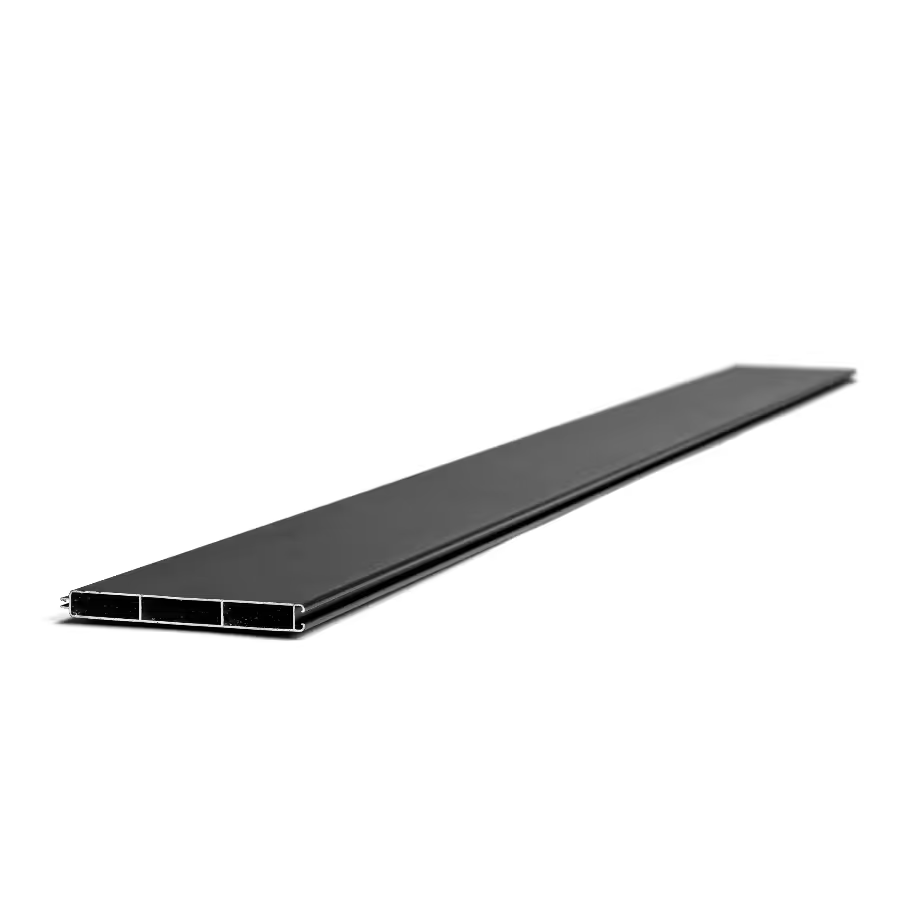
The extrusions are designed with internal ribbing and optimized wall thicknesses to increase rigidity without adding unnecessary weight. This improves resistance to bending, deflection, and vibration, three of the main failure points in high-wind conditions.
Rather than relying on heavier material alone, the system uses geometry and internal structure to achieve strength. The result is a higher strength-to-weight ratio and a fence that maintains alignment under stress.
A Fully Fastened System, Not a Friction Fit
Connection design is one of the biggest differences between fence systems.
Each panel is mechanically fastened to the post, creating a continuous load path throughout the assembly. This allows wind forces to be distributed across the system rather than concentrated at weak points.
Systems that rely on friction fit or loosely slotted components can disengage under pressure. In high-wind environments, that’s not a minor issue, it’s a failure point.
A fully fastened system removes that uncertainty and performs more consistently under load.
Anchoring and Code Requirements in High-Wind Zones
No fence system performs without proper anchoring.
In hurricane zones and high-velocity wind regions, the way posts are mounted is just as important as the fence itself. This includes both in-grade footings and surface-mounted base plate systems, depending on the project.
Key factors that influence performance include:
- Fence height and exposure
- Post spacing and span
- Slat configuration and wind permeability
- Connection detailing
- Foundation type and embedment
These variables need to be aligned with local building codes and verified through engineering where required.
Our team works with project stakeholders early to review these conditions and ensure the system is configured appropriately for the site.
Coating Performance in Coastal Environments
Structural performance is only part of the equation. In hurricane-prone regions, exposure to salt air, humidity, and driving rain adds another layer of stress.
A properly controlled powder coating process, combined with appropriate pretreatment, is what allows the system to resist corrosion and maintain its appearance over time.
Lower-quality coatings may look identical at installation but will break down faster under these conditions. This becomes visible over time through oxidation, fading, or coating failure.
A high-performance coating system ensures the fence continues to perform both structurally and visually.
Real-World Performance Matters
System design is one thing. Real-world performance is another.
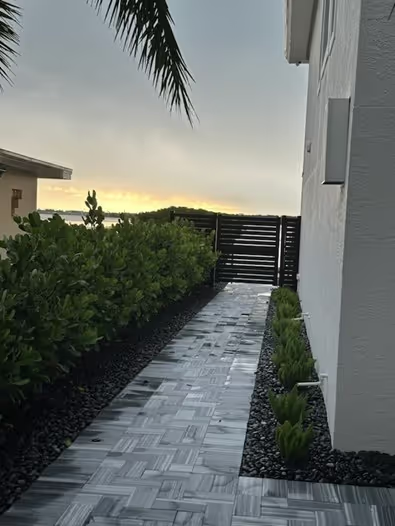
Installations in hurricane-prone regions, including projects in Florida that have experienced major storm events such as Hurricane Ian, have shown that when properly installed, the system can maintain structural integrity without panel loss or failure.
Every project is different, and site conditions must always be evaluated individually. But field performance like this reinforces an important point—engineering, connection detailing, and proper installation all directly impact how a fence performs under extreme conditions.
A System Approach to Hurricane Resistance
Hurricane resistance is not achieved through a single feature—it comes from how the entire system works together.
From internal profile design and mechanical fastening to anchoring methods and coating performance, each component plays a role.
For commercial and high-end projects in high-wind regions, the goal is not just to meet minimum requirements. It’s to deliver a system that performs predictably over time.
When properly specified and installed, the result is a fence that can handle extreme conditions while maintaining alignment, appearance, and long-term reliability.
If you’re working on a project with specific wind load, mounting, or design requirements, contact us so we can support with system recommendations and help ensure everything is aligned with engineering and specification needs.
Related Posts


Let’s Discuss Your Project
From early planning through installation, our team provides clear technical guidance and coordinated project support.