What Happens After Installation
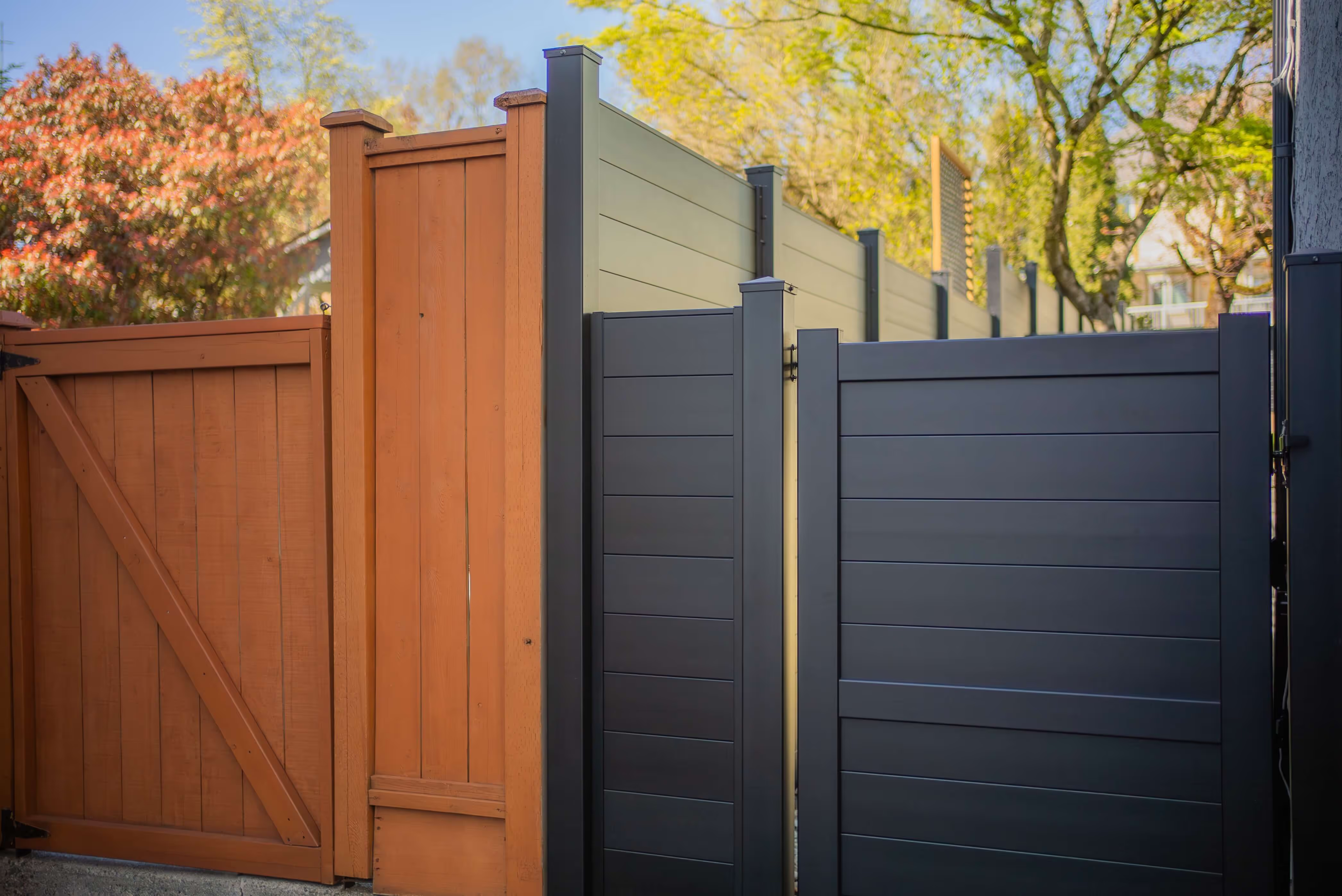
Wood fencing has been around forever, and there’s a reason for that. It looks natural, it’s familiar, and upfront it can seem like the simpler choice. But when you step back and look at performance over time, especially on projects where durability, consistency, and long-term value matter, the gap between wood and metal becomes clear.
This isn’t really about what looks best on day one. It’s about what still works and still looks right years down the line.
What Happens After Installation
Wood fences start changing almost immediately. As soon as they’re exposed to the elements, they begin absorbing moisture, drying out, expanding, and shrinking. That constant movement leads to warping, twisting, and surface breakdown over time.
Even with proper installation and treatment, wood is on a clock. The material naturally starts degrading from the moment it goes in.
Metal privacy fence panels don’t behave that way. Aluminum and steel systems are stable. They don’t absorb moisture, they don’t move with temperature in the same way, and they don’t rely on coatings to keep the structure intact. What you install is what stays in place.
The Maintenance Reality
With wood, maintenance isn’t optional if you care about how it performs or looks. Sealing, staining, replacing boards, tightening connections—it’s an ongoing cycle. Skip it, and the fence starts to deteriorate quickly.
Even with consistent upkeep, you’re managing decline, not stopping it.
Metal systems remove that cycle. Powder-coated aluminum or properly finished steel doesn’t need to be sealed or repainted. There’s no rot, no insect damage, and no surface breakdown in the same way. Maintenance becomes occasional cleaning, not ongoing repair.
This is where the long-term difference starts to show up in a real way.
Structural Performance Over Time
One of the biggest differences—and one that often gets overlooked—is how each material holds up structurally.
Wood fences rely on the strength of the wood itself at every connection point. As the material dries, cracks, and softens over time, those connections weaken. Posts are especially vulnerable, particularly at ground level where moisture is constant. That’s where failures typically start.
A wood fence might meet structural requirements when it’s first installed, but it won’t maintain that performance indefinitely. The material simply isn’t stable enough over time.
Metal fencing is engineered differently. The structure doesn’t degrade. Aluminum and steel systems are designed to handle wind loads, height, and exposure, and they continue to perform as designed years after installation.
For projects where structural consistency matters, that difference is critical.
Appearance Over Time
Wood looks great at the beginning. That’s one of its main advantages. But it doesn’t stay that way.
Exposure to sun and moisture leads to fading, graying, staining, and uneven aging across the fence. Even with maintenance, it’s difficult to keep a consistent, clean look over time.
Metal privacy fence panels offer a different type of aesthetic—clean, modern, and controlled. More importantly, they stay that way. Powder-coated finishes hold their color and consistency, so the fence continues to match the original design intent.
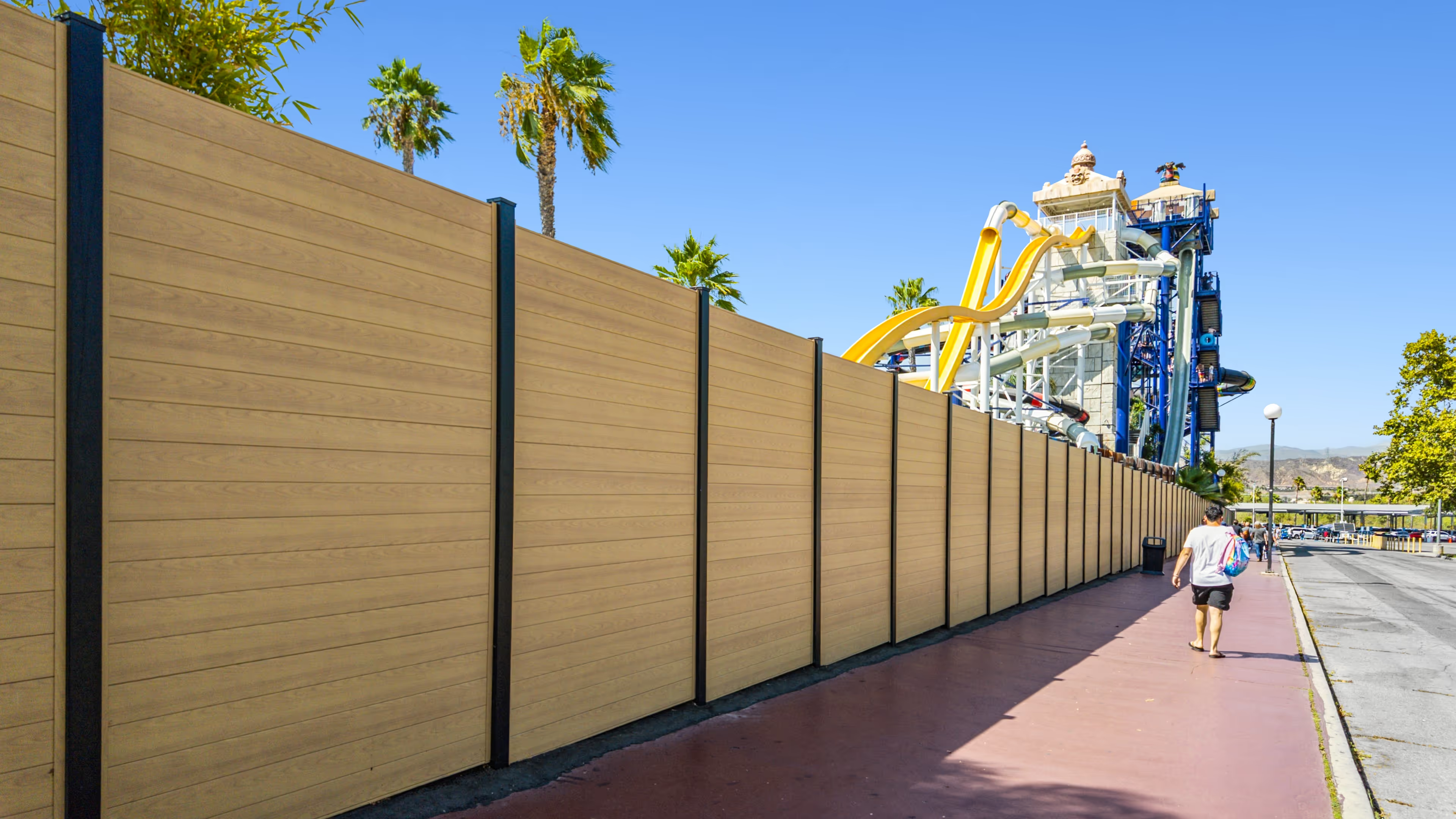
On higher-end projects, that consistency matters just as much as the initial look – see below image of a woodgrain aluminum fence at a waterpark.
Cost Over Time
Wood is typically less expensive upfront, which is why it continues to get used.
But over time, maintenance, repairs, and eventual replacement start to add up. By the time you factor in the full lifecycle, the cost difference narrows significantly.
Metal fencing costs more at the beginning, but it avoids most of those ongoing costs. You’re paying for a system that is designed to last and perform without constant intervention.
Why Metal Is Typically Selected
Wood still has a place. If the goal is a natural look and the project doesn’t require long-term structural performance or consistency, it can make sense—usually in residential applications.
But for projects where durability, appearance, and long-term reliability matter, metal, specifically aluminum, is the better fit.
It’s stable, engineered, and consistent. It holds its structure, maintains its appearance, and avoids the maintenance cycle that comes with wood.
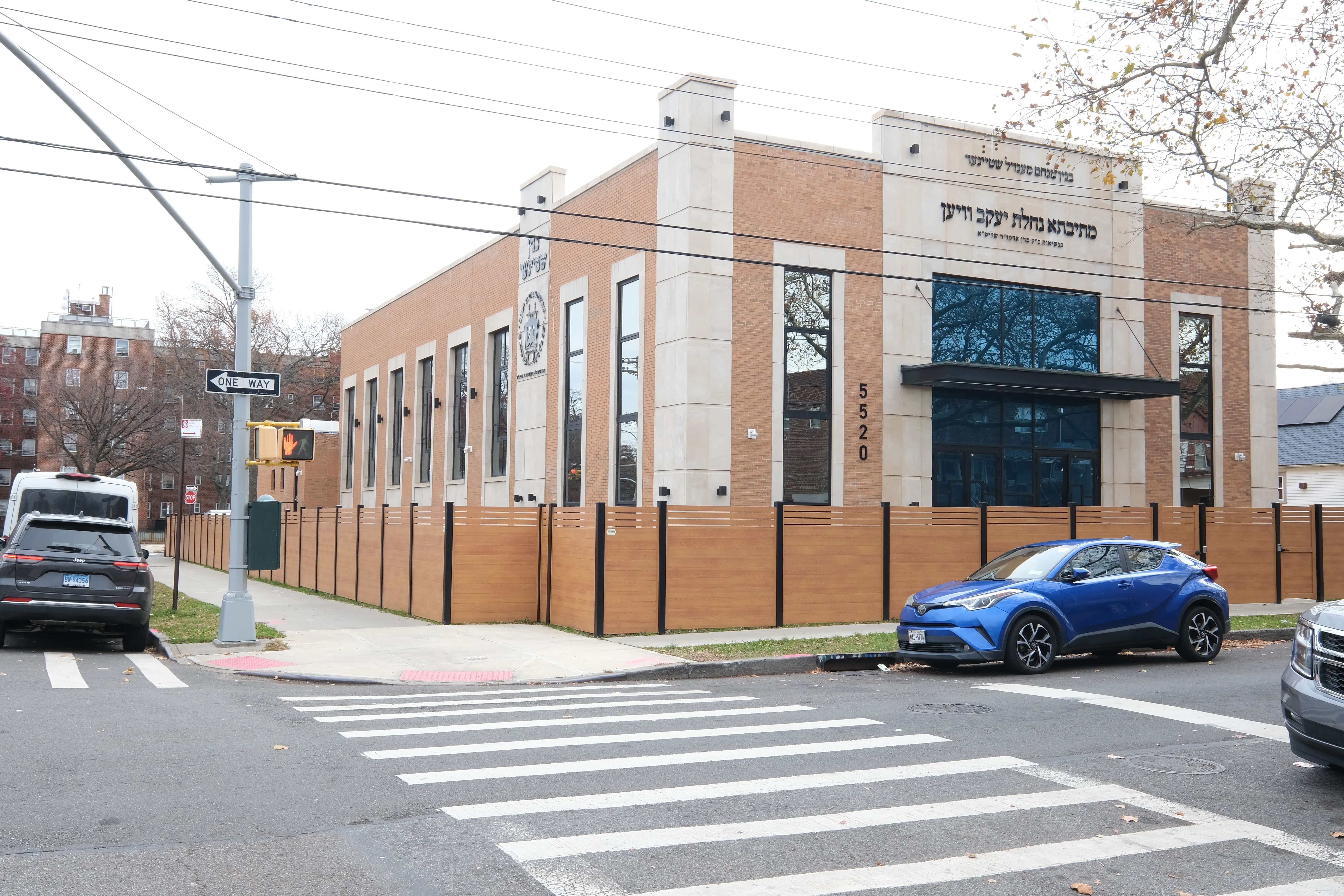
When the goal is to build something that still performs and still looks right years later, metal is typically the direction projects move toward. Below is one of our woodgrain aluminum fence options.
If you’re planning a project and want to make sure the fence system is aligned with your site conditions, layout, and engineering requirements, contact us so our team can help review your plans and provide guidance early in the process.
Related Posts


Let’s Discuss Your Project
From early planning through installation, our team provides clear technical guidance and coordinated project support.