High Wind-Resistant Fence Design: What Wind Ratings Mean for Commercial Projects
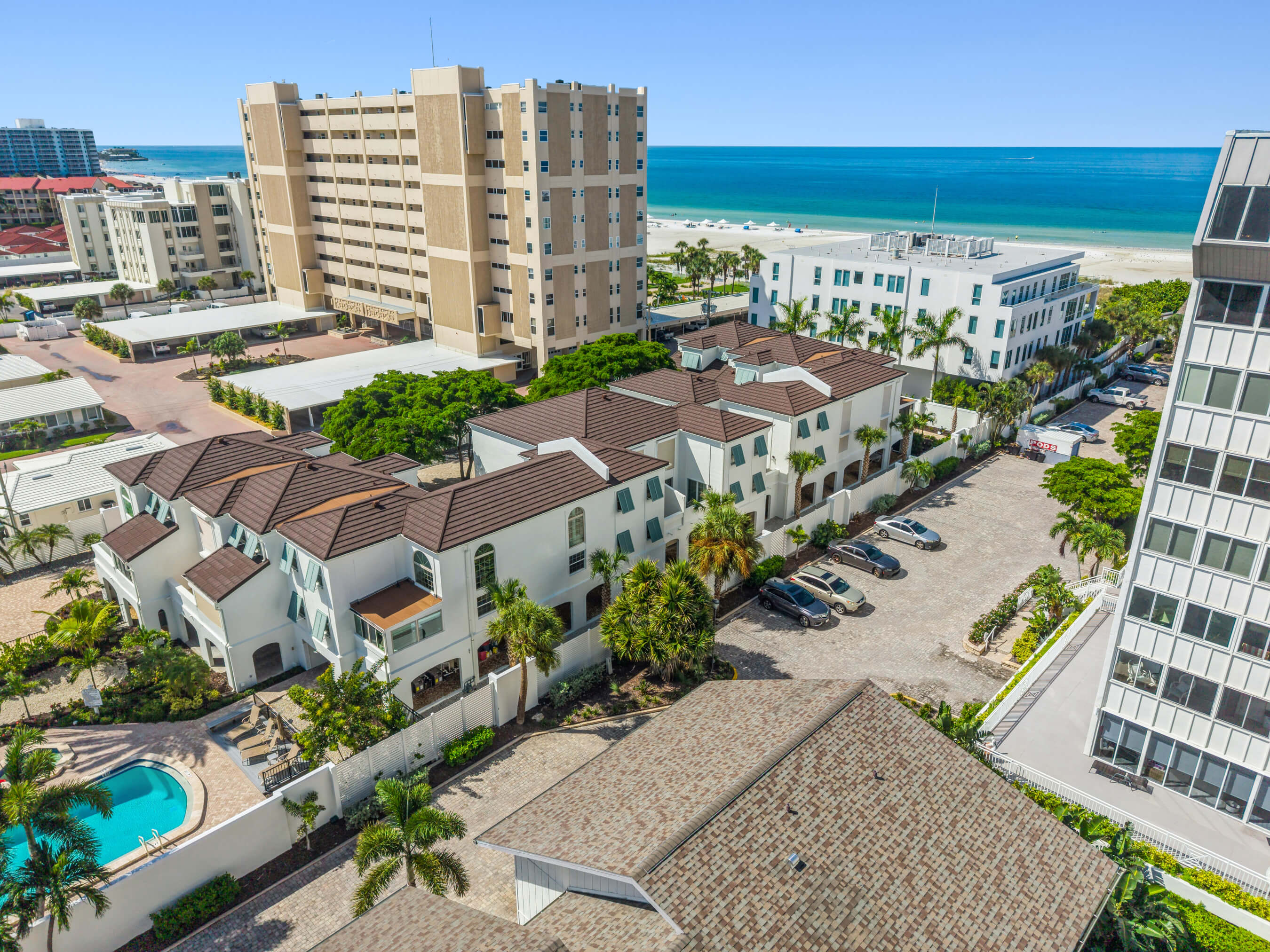
Wind-resistant fence design is not just about choosing a stronger fence panel. On commercial projects, the real question is whether the entire system has been designed around wind load, site exposure, post spacing, anchoring, connections, and long-term movement.
That matters because wind failure on a commercial site is expensive. A failed fence can create liability, security gaps, insurance issues, emergency repairs, owner complaints, and repeat installation costs. It can also expose a weak specification after the project is already built.
A conventional residential fence may be fine in a protected backyard. That does not mean it belongs on a commercial site in a coastal, plains, rooftop, hurricane, or high-altitude wind environment.
How Wind Actually Loads a Fence
Wind does not hit every fence the same way. A picket-style fence allows air to pass through. A full privacy fence creates a much larger surface area and takes more pressure. That is why solid privacy fencing needs to be treated differently from an open fence.
A solid fence panel acts more like a wall or sail. Wind pushes against the panel, the panel transfers load into the posts, the posts transfer load into the footing or mounting surface, and the connections between those parts are constantly being tested. If one part of that load path is weak, that is where the system will usually fail.
Height matters too. A taller fence does not just have more surface area. It also creates more leverage at the base of the post. That is why a fence that performs well at 4 feet or 6 feet may not behave the same way at 8 feet, 10 feet, or higher.
Wind pressure is also affected by the site itself. Open terrain, coastal exposure, rooftops, corners of buildings, and elevated structures can all increase the demand on the fence. ASCE 7 is the standard commonly used by engineers to determine design loads, including wind loads, for buildings and other structures. The current edition and project-specific requirements should always be confirmed by the project engineer and local authority.
What Wind Ratings on a Fence Spec Actually Mean
A wind rating should not be treated as a generic marketing number.
A statement like “survives 130 mph winds” is not enough by itself. The useful question is: under what conditions? What fence height? What post spacing? What soil or mounting condition? What exposure category? What panel type? What fastener spacing? Was the rating based on testing, signed engineering, or a simplified assumption?
A proper wind rating is tied to a specific assembly. The post, panel, fasteners, brackets, post spacing, footing, and mounting method all matter. Change one of those elements and the performance may change.
This is especially important for privacy fencing. A solid privacy panel has a much higher wind demand than a screen or open picket system. It is not enough to say the material is strong. The whole system has to be reviewed as a load path.
SLEEKFENCE’s wind rating guidance makes this clear. Wind performance depends on system selection, post spacing, fastener spacing, panel type, installation method, soil conditions, footing design, and site-specific engineering. That is the right way to think about wind ratings.
Why Most Off-the-Shelf Fences Fail in High-Wind Zones
Vinyl
Vinyl fences are often chosen because they are lower cost and low maintenance. In high-wind commercial applications, the problem is usually flexibility and connection reliability. Panels can deflect, rails can separate, and hardware can become the weak point.
With solid vinyl privacy fencing, wind pressure can build quickly. If the posts, rails, or connections are not designed for the actual site conditions, the panel can move, rack, or eject from the system.
Wood
Wood fences are familiar, but they are not ideal for high-wind commercial work. Wind tends to expose every weak point: fasteners loosen, rails split, pickets shed, and posts lean as the wood ages or the footing moves.
Wood also changes over time. It absorbs moisture, dries out, cracks, twists, and loses connection strength. That makes long-term wind performance harder to rely on, especially on large commercial runs.
Standard Residential Aluminum
Not all aluminum fencing is built for high-wind commercial use. Standard residential aluminum picket fencing may use lighter posts, thinner sections, and simple brackets designed for normal residential conditions.
That does not make it a bad product. It just means it should not be confused with a heavy-duty aluminum fence system designed for commercial wind exposure. A commercial wind application needs heavier sections, engineered post engagement, proper fastener spacing, and a reviewed foundation or mounting strategy.
Engineering a Windproof Fence System: What Actually Works
“Windproof fence” is a common search term, but it is not the way engineers should think. No fence is truly windproof. The better language is wind load, design pressure, exposure category, engineered assembly, and allowable performance.
A strong wind-resistant fence design starts with the full load path. The panel has to handle pressure. The panel-to-post connection has to transfer that force. The post has to resist bending. The footing or base plate has to transfer load into the ground, slab, wall, or structural substrate.
For aluminum fencing, 6063-T6 architectural extrusions are commonly used because they can be formed into clean, consistent profiles while still supporting structural performance. But material alone is not enough. The system needs the right post geometry, wall thickness, fastening method, and installation detail.
Continuous panel-to-post engagement is a major advantage. A panel that is properly captured or engaged along the post can distribute load better than a system relying only on light surface brackets or isolated connection points. Fastener spacing also matters. If the engineering assumes a certain fastening pattern, the installation needs to follow it.
Panel geometry matters as well. Fully solid panels create the highest wind demand. Slatted designs can reduce load by allowing controlled airflow, while still providing screening and design continuity. This is why panel selection should happen early in the project, not after the wind requirement is already fixed.
What to Specify in Wind-Prone Commercial Zones
For wind-prone commercial projects, the specification should not leave the important decisions to the installer.
Start with the design wind speed and exposure category for the site. These should come from the project engineer, applicable code, and ASCE 7 criteria. The spec should also identify fence height, panel type, post spacing, installation method, and whether the system is in-ground, surface-mounted, rooftop-mounted, or attached to an existing structure.
Next, require engineered drawings or stamped calculations when the site condition warrants it. This is especially important for coastal projects, rooftop applications, hurricane-prone regions, exposed commercial sites, taller fencing, or surface-mounted systems.
The post and footing details should also be defined. A post set in concrete below frost depth performs differently than a baseplate mounted to a slab. A surface-mounted system depends on the slab, anchors, embedment, edge distance, and structural capacity of the host material. Those details cannot be guessed in the field.
For coastal wind zones, corrosion should be included in the same conversation. Wind, salt, moisture, and movement all work together. Fasteners, coatings, anchors, and post bases need to be selected for both structural performance and long-term exposure.
Why Installation Details Control the Rating
A wind rating is only as good as the installation that supports it.
If post spacing is increased beyond the engineered assumption, performance changes. If fasteners are missed or spaced incorrectly, performance changes. If posts are not embedded properly, performance changes. If a baseplate is attached to a weak slab, performance changes. If a contractor substitutes anchors without review, performance changes.
This is why engineered systems need clear installation instructions and submittal documents. The goal is to remove as much guesswork as possible. The fence should not depend on each installer deciding how much fastening is “probably enough.”
For architects and owners, this is also why pre-assembled systems can help. When wind-resistant fence panels are assembled under controlled conditions, the manufacturer can control the panel structure, fasteners, and engagement details before the system arrives on site. The installer still matters, but fewer critical decisions are being recreated in the field.
FREQUENTLY ASKED QUESTIONS
What is a good wind rating for a fence?
There is no single good wind rating for every project. The right rating depends on the site location, exposure category, fence height, panel type, post spacing, and installation method. A low open fence and an 8-foot solid privacy fence should not be evaluated the same way.
Are aluminum fences better than vinyl in wind?
For commercial high-wind projects, engineered aluminum systems are typically a stronger choice than vinyl. Aluminum can be designed with stronger posts, more reliable connections, better dimensional stability, and documented engineering. Vinyl may work in lower-risk residential settings, but it is usually not the first choice for demanding commercial wind exposure.
Is there such a thing as a windproof fence?
Not literally. “Windproof fence” is a search term, not an engineering term. Any fence can fail if the wind load exceeds what the system was designed to handle. The goal is to specify a fence system with a documented wind rating tied to the actual project conditions.
Does a privacy fence need a different wind rating than a picket fence?
Yes. Privacy fencing needs more careful wind review because it has more surface area and catches more pressure. A solid privacy fence acts much more like a wall or sail than an open picket fence. The posts, footings, connections, and panel design all need to reflect that.
Why wind ratings need engineering behind them
A wind rating is only meaningful when it is tied to an engineered assembly. The number matters, but the conditions behind the number matter more.
Wind-resistant fence design depends on the panel, post, connection, fastener spacing, footing, mounting method, and site exposure all working together. If those pieces are not reviewed as a system, the rating is not worth much.
SLEEKFENCE is designed for commercial projects where wind performance, architectural appearance, and long-term reliability all matter. Our wind-engineered aluminum system, patented panel engagement, and project-specific submittal support help architects, engineers, contractors, and owners evaluate the fence properly before it reaches the site.
If your project is in a coastal, rooftop, hurricane-prone, high-altitude, or exposed commercial location, our team can help review the layout, wind requirements, panel type, and mounting conditions early in the specification process. Request a Quote to review your project requirements with our team.
References
ASCE 7 – Minimum Design Loads and Associated Criteria for Buildings and Other Structures
ASTM International
ASTM Reading Room Standard Code
Insurance Institute for Business & Home Safety (IBHS)
IBHS Building Codes
International Code Council (ICC)
ICC Digital Codes
The Aluminum Association
Aluminum Design Manual
Related Posts

Let’s Discuss Your Project
From early planning through installation, our team provides clear technical guidance and coordinated project support.